









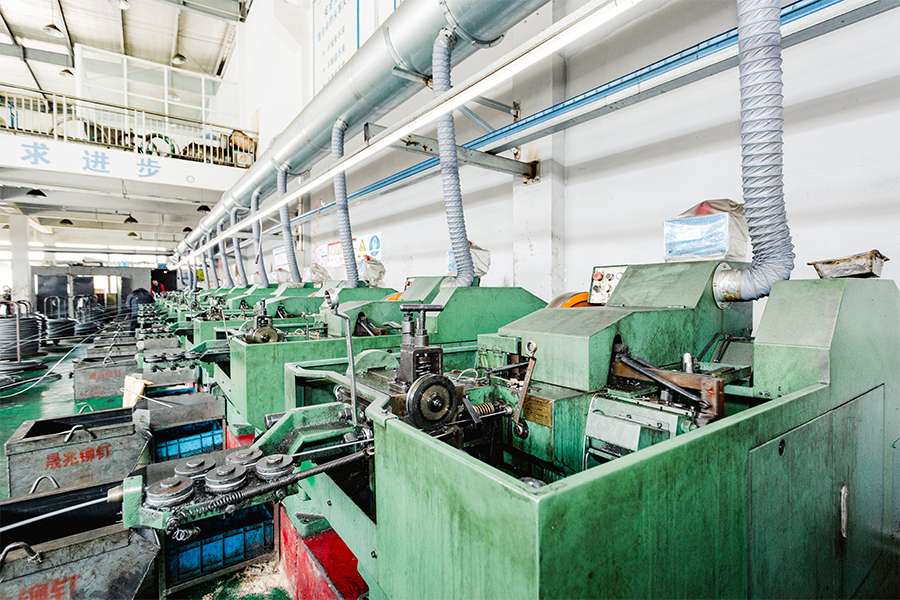
Bagaimana Paku Keling Semi-Tubular Meningkatkan Efisiensi Perakitan dalam Produksi Industri Modern?
Paku keling semi-tubular meningkatkan efisiensi perakitan dalam produksi industri modern dengan menggabungkan kinerja pengikatan yang andal dengan pemasangan yang lebih mudah dibandingkan dengan paku keling yang sepenuhnya kokoh. Struktur shank yang sebagian berongga memerlukan lebih sedikit tenaga selama pemasangan, sehingga memungkinkan pembentukan lebih cepat, kebutuhan peralatan lebih rendah, dan meningkatkan konsistensi produksi di lingkungan manufaktur bervolume tinggi.
Dalam proses perakitan industri, efisiensi tidak hanya bergantung pada kekuatan pengikatan tetapi juga pada kecepatan pemasangan, stabilitas proses, kebutuhan tenaga kerja, dan kompatibilitas dengan sistem produksi otomatis. Paku keling semi-tubular dirancang untuk memberikan keseimbangan antara sambungan mekanis yang aman dan operasi perakitan yang efisien.
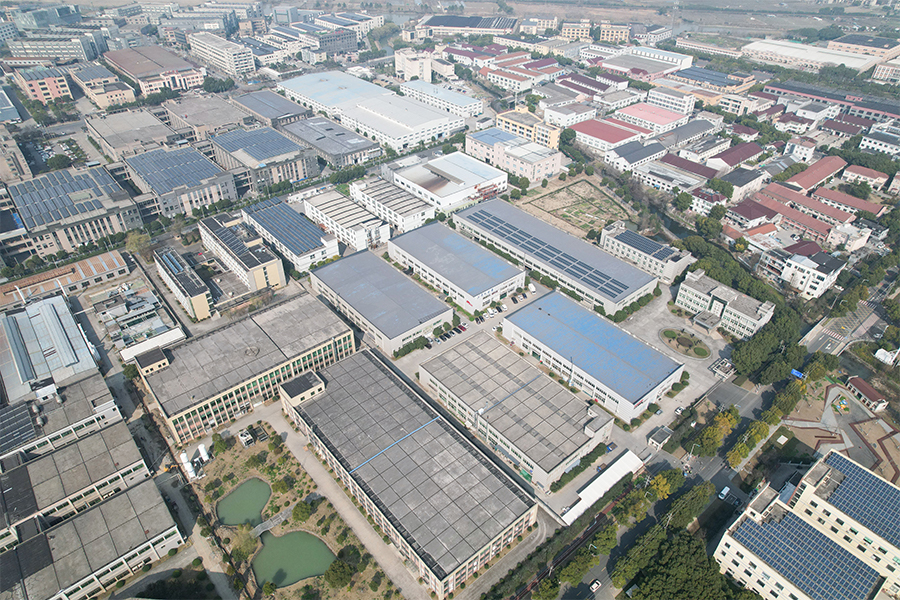
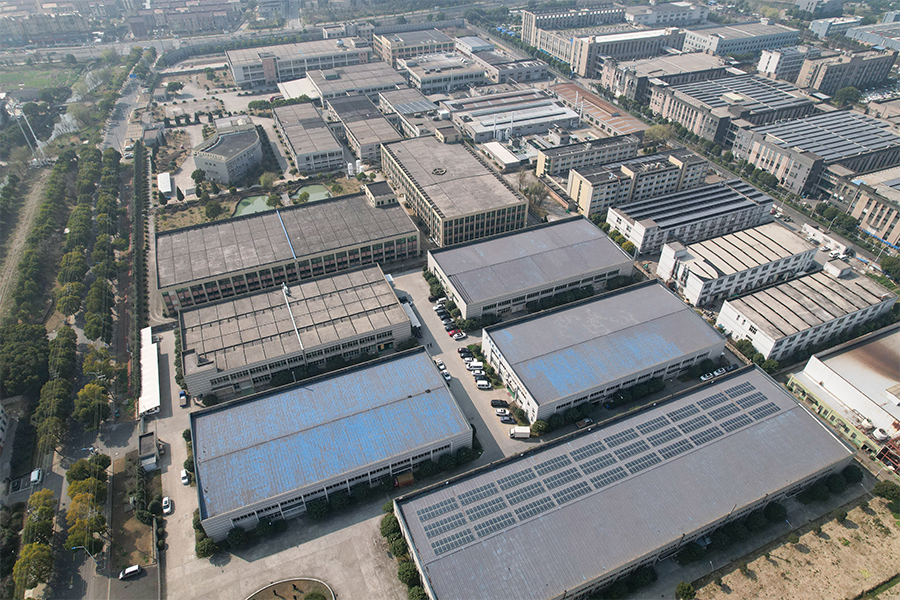
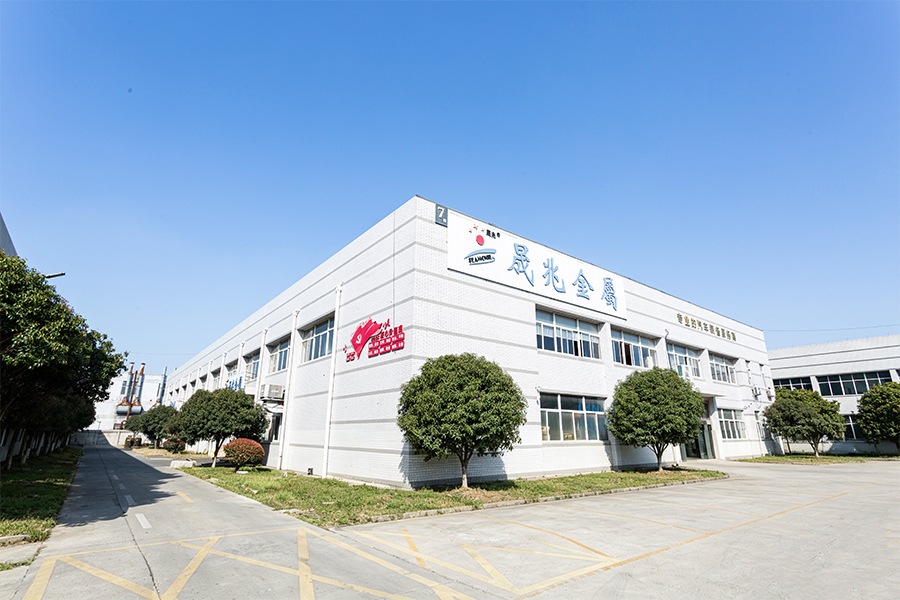
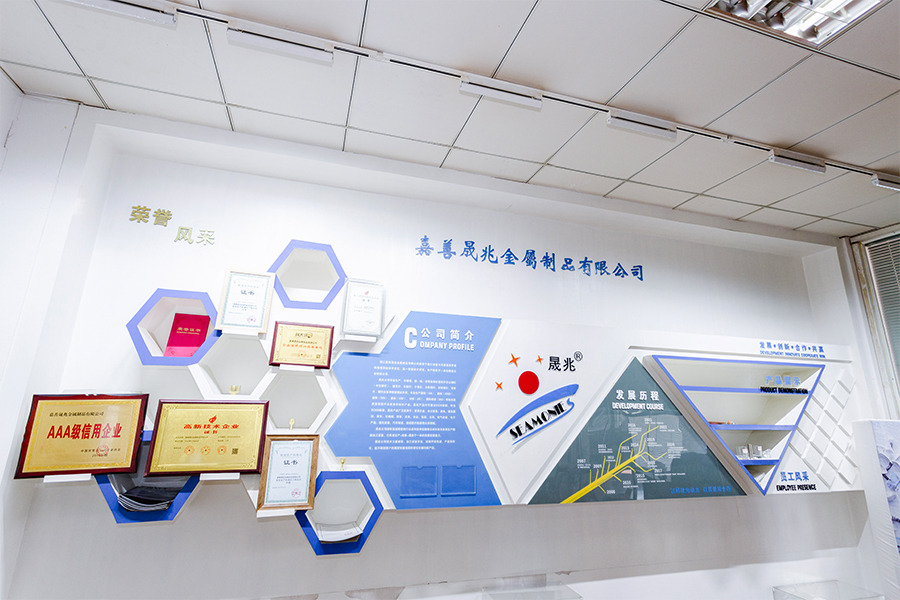
Zhejiang Chance & Union Impor dan Ekspor Co., Ltd. (Chance & Union) mengkhususkan diri dalam pengencang berkekuatan tinggi. Perusahaan ini menawarkan baut, mur, ring, dan suku cadang khusus yang terbuat dari baja tahan karat, baja paduan, dan banyak lagi, melayani lebih dari 200 klien di 25 negara. Dengan 20 tahun pengalaman industri, Zhejiang Chance & Union Impor dan Ekspor Co., Ltd. (Chance & Union) menyediakan solusi pengikatan yang disesuaikan mulai dari R&D hingga produksi massal.
Untuk aplikasi manufaktur yang memerlukan instalasi efisien dan kinerja pengikatan yang andal, paku keling semi-tubular memberikan solusi praktis untuk meningkatkan proses perakitan sambil menjaga stabilitas struktural.
Memahami Struktur Paku Keling Semi Tubular
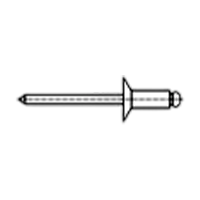
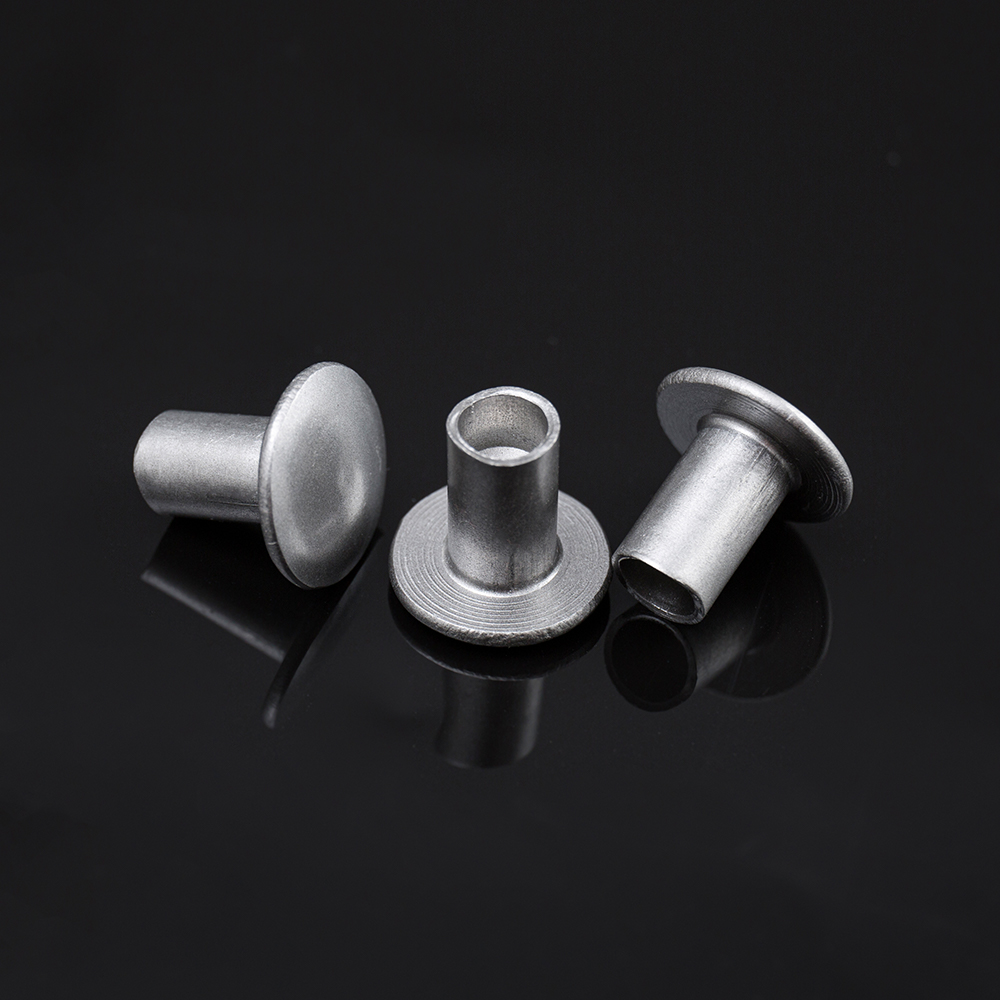
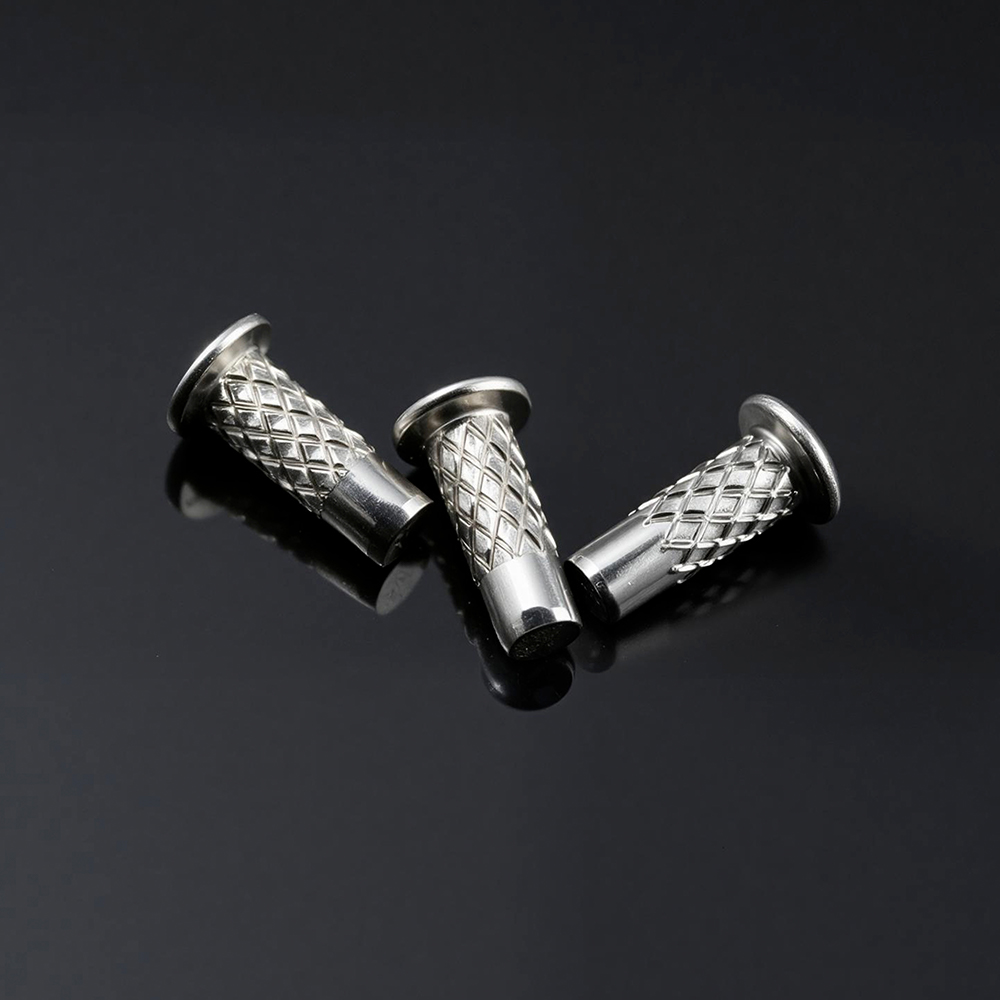
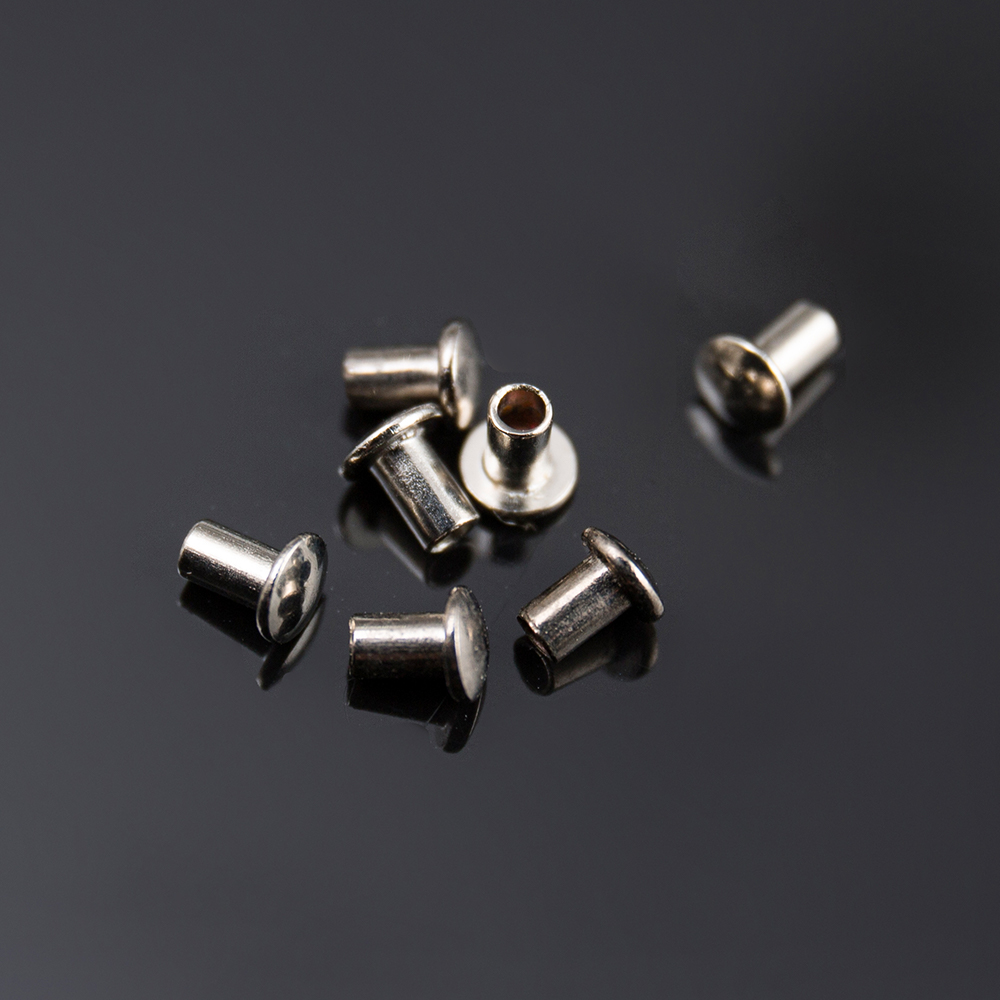
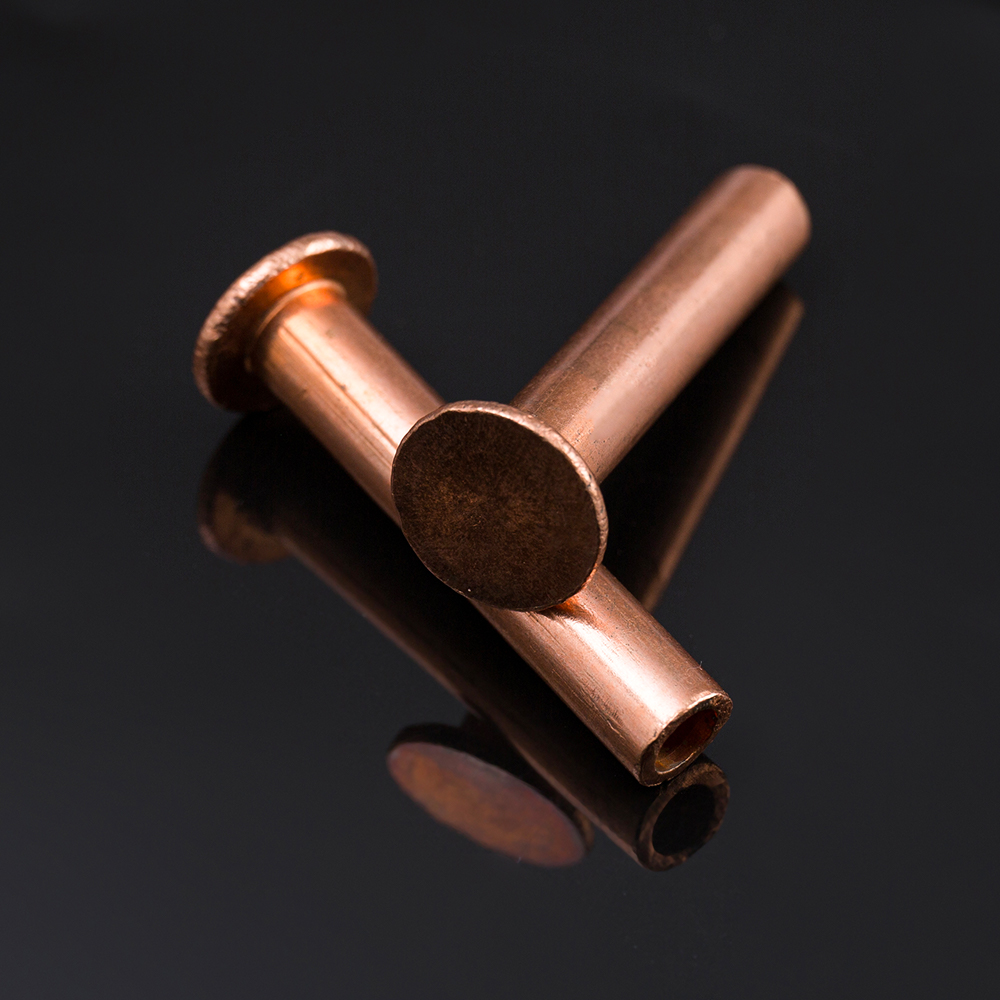
Paku keling semi-tubular adalah pengencang mekanis dengan bagian berongga di ujung betis. Berbeda dengan paku keling padat yang mengharuskan seluruh betis diubah bentuknya selama pemasangan, paku keling semi-tubular hanya memerlukan deformasi pada bagian ujung yang berongga sebagian.
Desain struktural ini mengurangi gaya yang diperlukan untuk pemasangan sekaligus mempertahankan kekuatan sambungan yang cukup untuk banyak aplikasi industri.
- Kepala Padat: Memberikan permukaan bantalan awal dan menjaga stabilitas struktural.
- Shank Berongga Sebagian: Memungkinkan deformasi lebih mudah selama pemasangan.
- Area Pembentukan Terkendali: Mengurangi kekuatan instalasi dan meningkatkan efisiensi proses.
- Struktur Koneksi Permanen: Menciptakan titik pengikat yang stabil setelah pemasangan.
| Fitur | Paku keling Semi-Tubular | Paku Keling Padat |
| Struktur Betis | Bagian ujungnya berongga sebagian | Betis yang sepenuhnya kokoh |
| Angkatan Instalasi | Diperlukan kekuatan pembentukan yang lebih rendah | Diperlukan kekuatan pembentukan yang lebih tinggi |
| Efisiensi Perakitan | Cocok untuk proses produksi yang lebih cepat | Membutuhkan lebih banyak energi instalasi |
| Rentang Aplikasi | Rakitan industri membutuhkan pengikatan yang efisien | Aplikasi pengikat permanen tugas berat |
Bagaimana Paku Keling Semi-Tubular Meningkatkan Efisiensi Produksi
Keuntungan utama paku keling semi-tubular dalam manufaktur modern adalah kemampuannya untuk menyederhanakan proses pengikatan. Karena hanya sebagian shank yang perlu dibentuk, produsen dapat mencapai siklus pemasangan yang lebih cepat dengan konsumsi energi yang lebih rendah.
Peningkatan efisiensi utama meliputi:
- Mengurangi Kekuatan Instalasi: Bagian berongga memerlukan lebih sedikit energi deformasi selama memukau.
- Kecepatan Perakitan Lebih Cepat: Pembentukan yang lebih mudah mendukung siklus produksi yang lebih pendek.
- Persyaratan Peralatan yang Lebih Rendah: Pemasangan seringkali dapat diselesaikan dengan peralatan paku keling berkekuatan rendah.
- Peningkatan Konsistensi Produksi: Deformasi yang terkendali membantu menjaga kualitas perakitan tetap stabil.
| Faktor Efisiensi | Paku keling Semi-Tubular | Paku Keling Padat Tradisional |
| Persyaratan Deformasi | Hanya bagian berongga yang terbentuk | Seluruh betis memerlukan deformasi |
| Energi Instalasi | Kebutuhan energi yang lebih rendah | Kebutuhan energi yang lebih tinggi |
| Kecepatan Produksi | Cocok untuk jalur perakitan yang efisien | Mungkin memerlukan lebih banyak waktu pemrosesan |
| Kompatibilitas Otomatisasi | Cocok untuk proses pengikatan otomatis | Tergantung pada kondisi aplikasi |
Peran Paku Keling Semi-Tubular dalam Manufaktur Otomatis
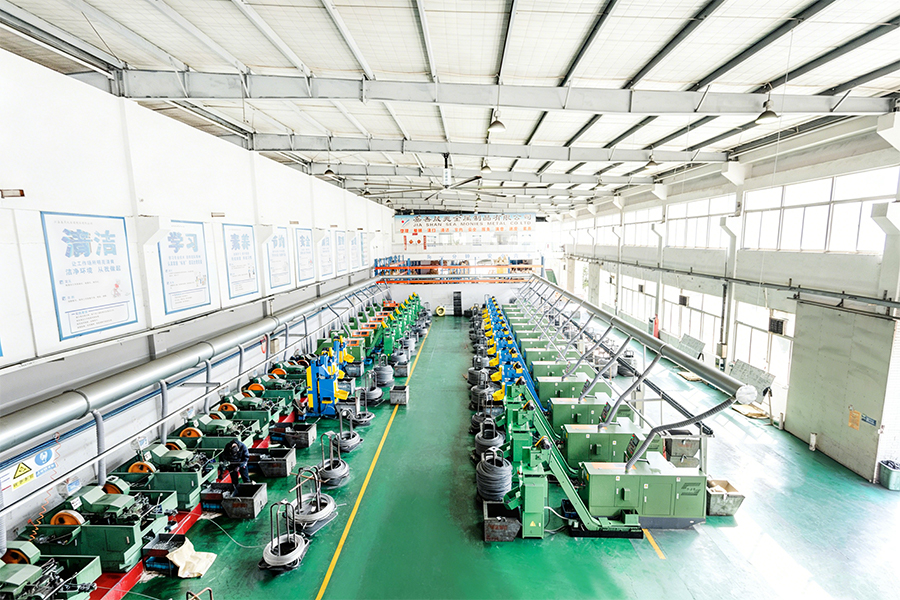
Produksi industri modern semakin bergantung pada otomatisasi untuk meningkatkan efisiensi dan konsistensi. Paku keling semi-tubular mendukung proses perakitan otomatis karena desainnya memungkinkan deformasi yang dapat diprediksi dan hasil pemasangan yang dapat diulang.
Dalam lingkungan manufaktur otomatis, persyaratan penting meliputi:
- Dimensi paku keling yang konsisten
- Sifat material yang stabil
- Pengumpanan dan penentuan posisi yang andal
- Kinerja instalasi berulang
Karakteristik ini membuat paku keling semi-tubular cocok untuk industri yang mengutamakan volume produksi dan konsistensi perakitan.
Penerapan Paku Keling Semi-Tubular dalam Produksi Industri Modern
Paku keling semi-tubular banyak digunakan dalam aplikasi di mana produsen membutuhkan perakitan yang efisien dikombinasikan dengan kinerja pengikatan yang dapat diandalkan.
Perakitan Peralatan Listrik dan Elektronik
Dalam manufaktur peralatan elektronik dan listrik, komponen sering kali memerlukan solusi pengikatan yang ringkas dengan hasil pemasangan yang konsisten. Paku keling semi-tubular membantu produsen mencapai koneksi yang andal tanpa tenaga pemasangan yang berlebihan.
- Komponen listrik
- Rakitan peralatan elektronik
- Struktur mekanik presisi
Manufaktur Komponen Otomotif
Produksi otomotif memerlukan metode perakitan yang efisien untuk mendukung manufaktur skala besar. Paku keling semi-tubular dapat digunakan untuk berbagai sambungan komponen yang mengutamakan struktur ringan dan efisiensi produksi.
- Komponen interior
- Kurung logam
- Rakitan mekanis
Produksi Peralatan Industri
Produsen peralatan industri menggunakan paku keling semi-tubular untuk komponen yang memerlukan sambungan permanen dan proses pemasangan yang efisien.
- Panel peralatan
- Dukungan mekanis
- Komponen struktural
Pemilihan Material untuk Paku Keling Semi-Tubular
Pemilihan material mempengaruhi kekuatan, daya tahan, dan kemampuan adaptasi lingkungan dari paku keling semi-tubular. Aplikasi yang berbeda memerlukan karakteristik material yang berbeda.
| Jenis Bahan | Karakteristik Utama | Pertimbangan Aplikasi |
| Baja Tahan Karat | Ketahanan korosi dan kinerja stabil | Cocok untuk lingkungan yang menuntut |
| Baja Paduan | Kekuatan tinggi dan daya tahan mekanis | Cocok untuk kebutuhan beban yang lebih tinggi |
| Baja Karbon | Kekuatan seimbang dan efisiensi pemrosesan | Cocok untuk aplikasi industri umum |
| Paduan Aluminium | Ringan dan tahan korosi | Cocok untuk struktur yang sensitif terhadap berat |
Faktor-Faktor yang Mempengaruhi Kinerja Perakitan Keling Semi-Tubular
Meskipun paku keling semi-tubular meningkatkan efisiensi perakitan, pemilihan dan penerapan yang tepat sangat penting untuk mencapai hasil yang andal.
- Diameter keling: Harus sesuai dengan beban yang dibutuhkan dan ketebalan material.
- Panjang keling: Harus dipilih sesuai dengan ketebalan gabungan bahan yang disambung.
- Kompatibilitas Bahan: Mencegah masalah kinerja yang disebabkan oleh kombinasi material yang tidak sesuai.
- Metode Instalasi: Peralatan dan parameter proses yang tepat meningkatkan kualitas koneksi.
- Kontrol Kualitas: Akurasi dimensi dan konsistensi material memastikan produksi yang stabil.
Perbandingan Efisiensi Perakitan Antara Berbagai Jenis Keling
| Tipe Keling | Karakteristik Instalasi | Efisiensi Perakitan |
| Paku keling Semi-Tubular | Deformasi betis parsial dengan gaya pembentukan yang lebih rendah | Efisiensi tinggi untuk produksi industri |
| Paku Keling Padat | Diperlukan deformasi betis penuh | Cocok untuk sambungan permanen berkekuatan tinggi |
| Paku Keling Buta | Kemampuan instalasi satu sisi | Cocok untuk aplikasi dengan akses terbatas |
FAQ Tentang Paku Keling Semi-Tubular
1. Mengapa paku keling semi-tubular cocok untuk produksi volume tinggi?
Paku keling semi-tubular memerlukan gaya pemasangan yang lebih sedikit karena hanya bagian betis yang berongga yang berubah bentuk selama pemasangan. Hal ini membantu produsen meningkatkan kecepatan perakitan, mengurangi konsumsi energi, dan mencapai kualitas produksi yang konsisten. Zhejiang Chance & Union Impor dan Ekspor Co., Ltd. (Chance & Union) menyediakan solusi pengikatan khusus mulai dari R&D hingga produksi massal untuk berbagai kebutuhan industri.
2. Bahan apa yang tersedia untuk paku keling semi-tubular?
Paku keling semi-tubular dapat diproduksi menggunakan bahan seperti baja tahan karat, baja paduan, baja karbon, dan paduan aluminium sesuai dengan kebutuhan aplikasi. Zhejiang Chance & Union Impor dan Ekspor Co., Ltd. (Chance & Union) mengkhususkan diri pada pengencang berkekuatan tinggi dan suku cadang khusus yang terbuat dari baja tahan karat, baja paduan, dan lainnya untuk mendukung berbagai aplikasi industri.
3. Bagaimana Zhejiang Chance & Union mendukung proyek paku keling semi-tubular?
Zhejiang Chance & Union Impor dan Ekspor Co., Ltd. (Chance & Union) menyediakan solusi pengikatan khusus yang mencakup R&D, pengembangan produk, dan produksi massal. Dengan 20 tahun pengalaman industri, perusahaan ini melayani lebih dari 200 klien di 25 negara dan berfokus pada penyediaan komponen pengikat yang andal untuk manufaktur industri modern.





