








Mencocokkan Kedalaman Penyematan Leher Persegi dan Countersink Kepala untuk Ketahanan Tarik Maksimum pada Kayu Lunak vs. Kayu Keras
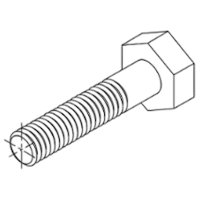
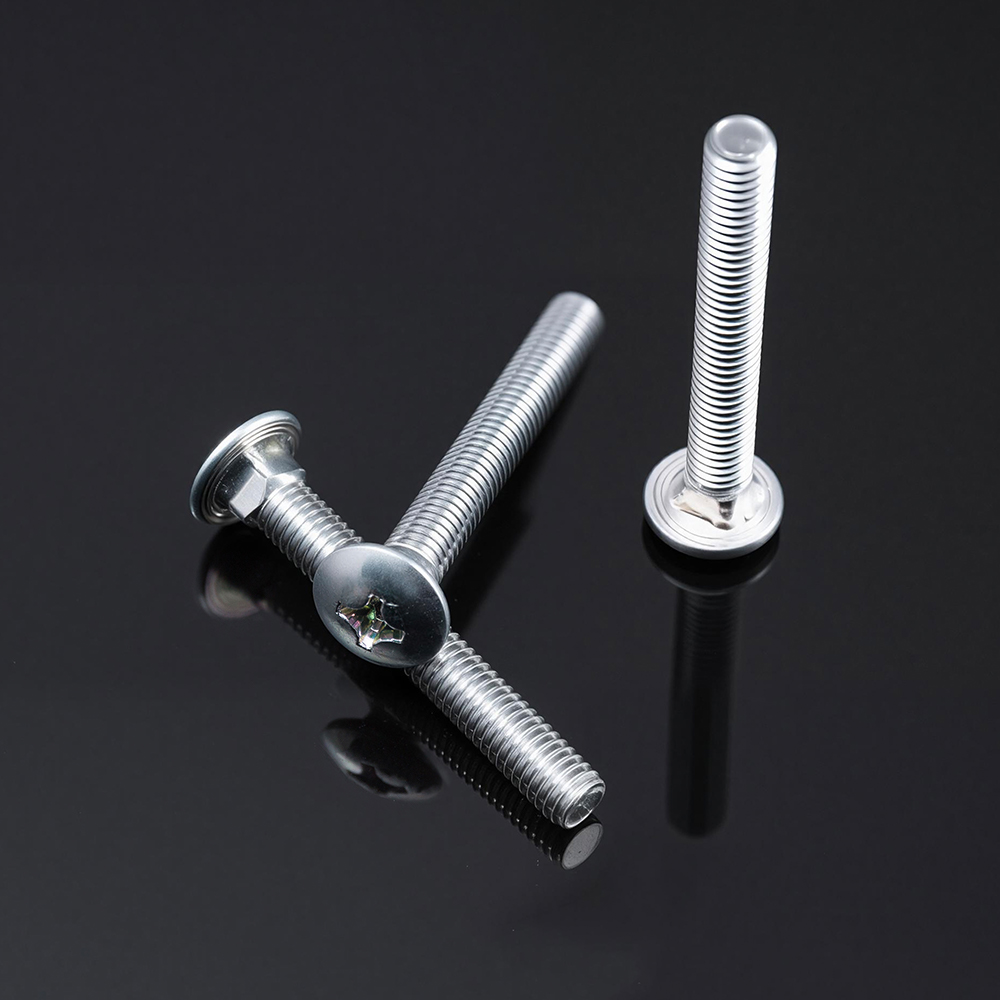
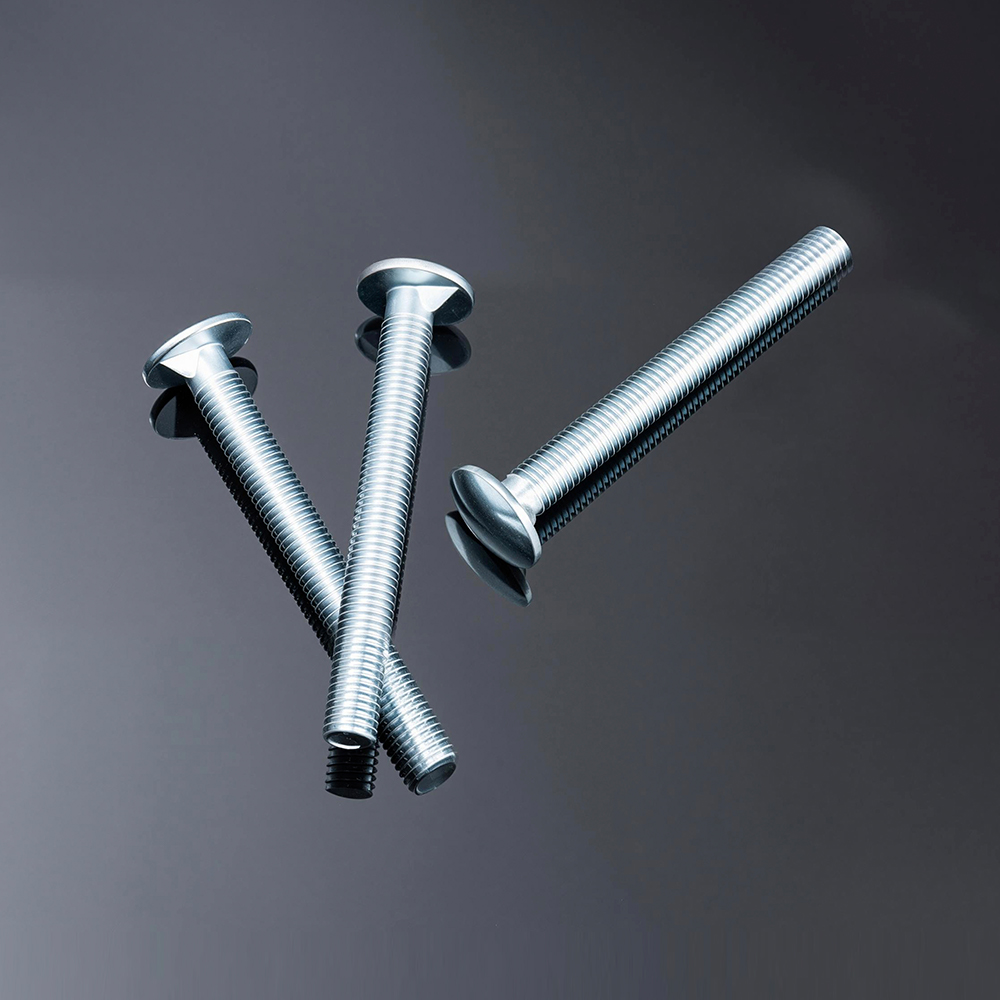
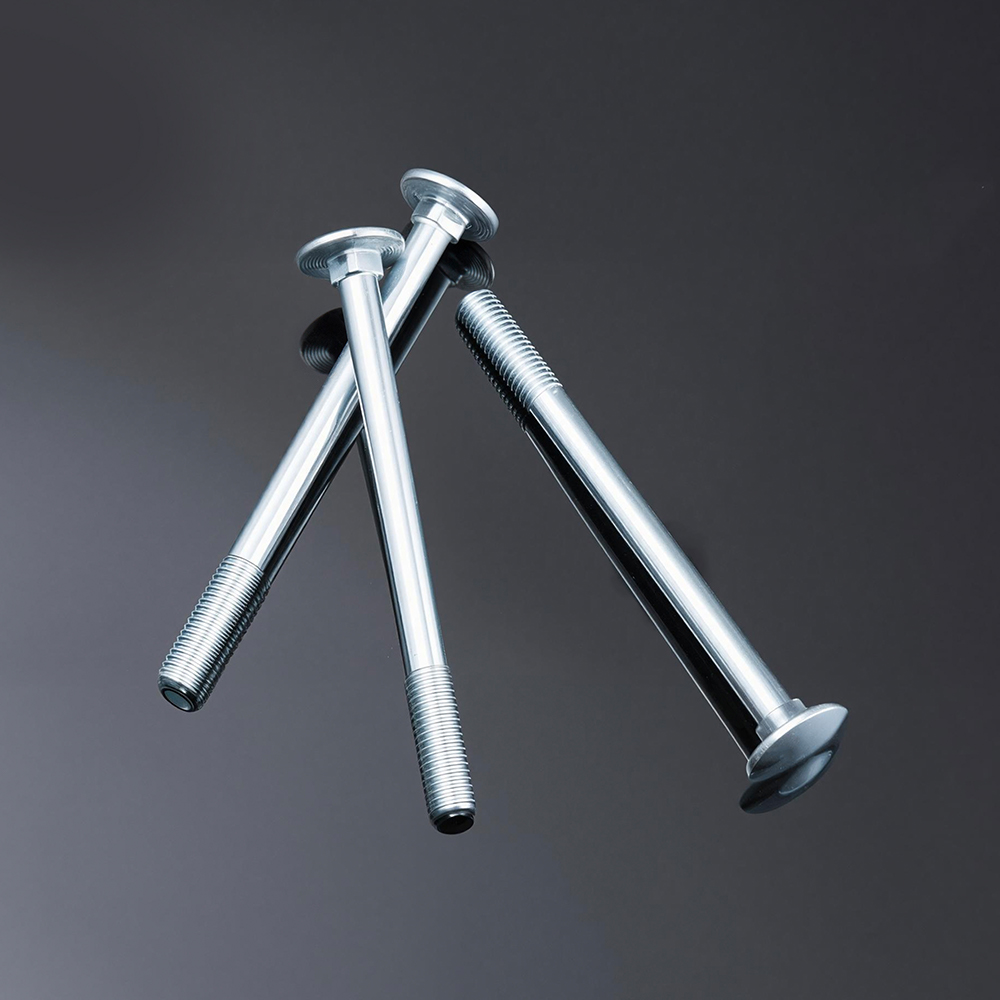
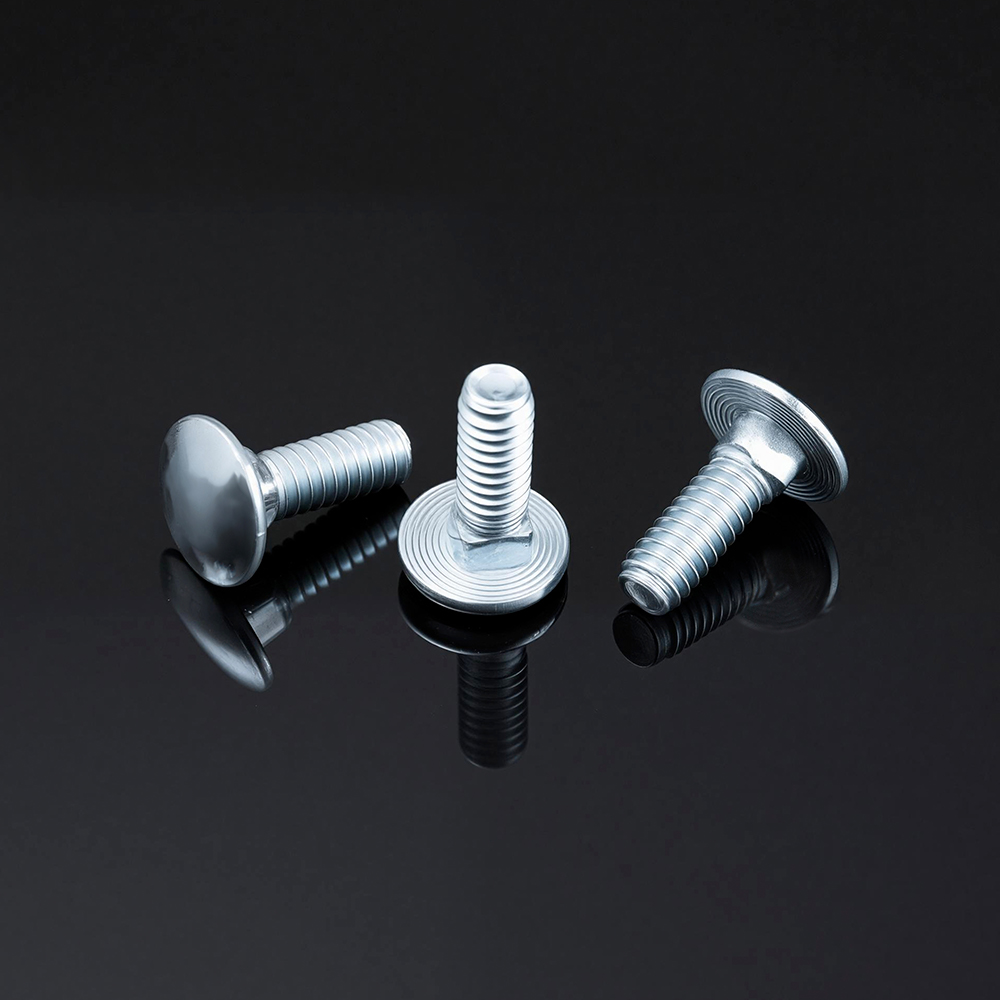
Kinerja mekanik a baut kereta sambungan pada kayu pada dasarnya ditentukan oleh dua parameter geometris yang saling bergantung: kedalaman pemasangan leher persegi (yang memberikan penguncian anti-rotasi) dan kedalaman countersink pada kepala bundar (yang mengatur kerataan dan distribusi beban). Untuk mencapai ketahanan tarik maksimum tanpa menyebabkan kayu terbelah memerlukan strategi yang berbeda untuk kayu lunak dan kayu keras karena perbedaan kepadatan, kekuatan tekan, dan mode kegagalannya.
1. Sifat Substrat Kayu: Kayu Lunak vs. Kayu Keras
Perbedaan mendasar dalam kepadatan dan kekuatan kayu secara langsung menentukan bagaimana setiap substrat merespons terhadap pemasangan baut dan countersinking. Tabel berikut membandingkan sifat struktural utama:
| Properti | Kayu lunak (misalnya, Pinus, Cemara, Cemara) | Kayu keras (misalnya, Oak, Beech, Maple) |
|---|---|---|
| Kisaran Kepadatan Khas (kg/m³) | 350 – 550 | 640 – 840 |
| Kekuatan Lentur (MPa) | 14 – 50 (nilai C14 hingga C50) | 30 – 70 (nilai D30 hingga D70) |
| Kuat Tekan (MPa) // butir | ~40 – 46 (cemara/pinus) | Jauh lebih tinggi |
| Kekerasan (Brinell) // butiran | 3.2 – 4.0 | Lebih tinggi (kayu ek ~5,5 ) |
| Mode Kegagalan Di Bawah Pengetatan Berlebihan | Kompresi/penghancuran serat kayu | Terbelah/retak sepanjang garis butir |
| Aplikasi Khas untuk Baut Pengangkut | Penghiasan, rangka kayu, konstruksi umum | Struktur kayu berat, furnitur, ranjang laut |
2. Persyaratan Kedalaman Penanaman Leher Persegi
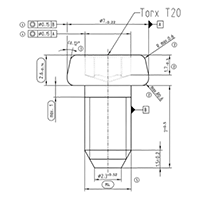
Fungsi leher persegi adalah untuk ditanamkan ke dalam kayu untuk mencegah perputaran baut selama pengencangan mur, sehingga tidak memerlukan kunci pas di sisi kepala. Kedalaman penempelan—seberapa jauh penetrasi bagian persegi ke dalam kayu—harus disesuaikan dengan kompresibilitas dan kekuatan geser substrat.
- Strategi Kayu Lunak (Peningkatan Kedalaman Penanaman): Kayu lunak memiliki kepadatan dan kekuatan tekan yang lebih rendah. Untuk mencapai penguncian anti-rotasi yang andal, leher persegi harus didorong hingga kedalaman penuh, sehingga sudut-sudutnya dapat sepenuhnya menggantikan dan mencengkeram serat kayu di sekitarnya. Karena serat kayu lunak terkompresi dan bukannya terbelah, penanaman dengan kedalaman penuh menghasilkan interlock mekanis maksimum tanpa risiko retak.
- Strategi Kayu Keras (Penyematan Presisi): Kayu keras lebih padat dan lebih rentan pecah. Untuk material ini, leher persegi harus tetap tertanam sepenuhnya untuk ketahanan tarik keluar yang maksimal, namun lubang pilot harus dikerjakan dengan presisi yang lebih tinggi. Leher persegi memerlukan ceruk yang dipasang rapat atau ketukan yang hati-hati agar kayu tidak terlepas secara paksa. Standar teknis yang umum adalah membuat alur persegi terlebih dahulu yang sesuai dengan ukuran leher untuk penanaman presisi 100% dengan toleransi rotasi nol.
Dalam kedua kasus tersebut, pemasangan leher persegi yang tidak lengkap—tempat leher menempel pada permukaan kayu—adalah penyebab utama baut berputar dan kendor. Jika tertanam dengan benar, leher persegi menciptakan kunci mekanis yang menjadikan baut media efektif untuk perakitan satu sisi.
3. Kedalaman Head Countersink: Menyeimbangkan Flushness dan Integritas Struktural
Countersinking memungkinkan kepala bundar untuk duduk rata dengan atau di bawah permukaan material, memberikan hasil akhir yang halus dan menghilangkan tonjolan tajam. Namun, kedalaman countersink harus dikontrol dengan hati-hati agar kayu tidak melemah.
- Kayu Lunak (Countersink Lebih Dalam Dapat Diterima): Karena sifat kompresibilitasnya, kayu lunak dapat menampung countersink yang lebih dalam tanpa terbelah. Kepala baut menekan serat di bawahnya, menciptakan permukaan bantalan yang stabil. Namun, countersinking yang berlebihan tanpa kontak kepala baut yang memadai dapat mengurangi area penahan beban efektif, sehingga meningkatkan tekanan lokal pada kayu.
- Kayu Keras (Diperlukan Countersink Dangkal atau Presisi): Kayu keras memerlukan countersink yang lebih dangkal, dikerjakan secara hati-hati dengan mata bor sekop. Countersink yang dalam pada kayu keras menciptakan penambah tegangan yang dapat memicu pemisahan butiran saat mur dikencangkan. Tujuannya adalah untuk mendapatkan hasil akhir yang rata sekaligus menjaga integritas kayu pada penampang melintang sebanyak mungkin.
4. Efek Gabungan pada Resistensi Tarik dan Pencegahan Terbelah
Ketahanan tarik maksimum—gaya yang dibutuhkan untuk menarik baut menembus kayu—dapat dicapai jika leher persegi dan kepala baut menempel pada kayu secara optimal tanpa mengurangi integritasnya.
- Kayu lunak: Penyematan leher persegi yang dalam dan mendalam dikombinasikan dengan countersink moderat memberikan ketahanan tarik keluar tertinggi. Serat kayu menekan di sekitar leher dan di bawah kepala, menciptakan interlock mekanis yang kuat. Risiko pecahnya rendah, asalkan lubang pilot sedikit lebih kecil dari beting baut yang dibor.
- Kayu keras: Penyematan dengan kedalaman penuh yang sama diperlukan untuk anti-rotasi, namun countersink harus lebih dangkal dan dikerjakan dengan presisi. Leher persegi harus terpasang sepenuhnya, namun toleransi lubang pilot harus ketat untuk menghindari timbulnya tegangan pemisahan. Untuk kayu keras, penggunaan ring di bawah kepala dan mur membantu mendistribusikan beban dan selanjutnya mengurangi risiko patah atau pecah.
Data industri menunjukkan bahwa lebih dari 80% masalah pemasangan baut pengangkutan—termasuk baut berputar dan keretakan material—berhubungan dengan pemrosesan lubang yang tidak tepat, bukan karena baut itu sendiri. Lubang pilot yang telah dibor sebelumnya, countersink hanya sedalam kepala, dan tempat duduk leher persegi penuh adalah tiga pilar keberhasilan pemasangan pada kedua jenis kayu.
5. Perspektif Manufaktur dan Kualitas
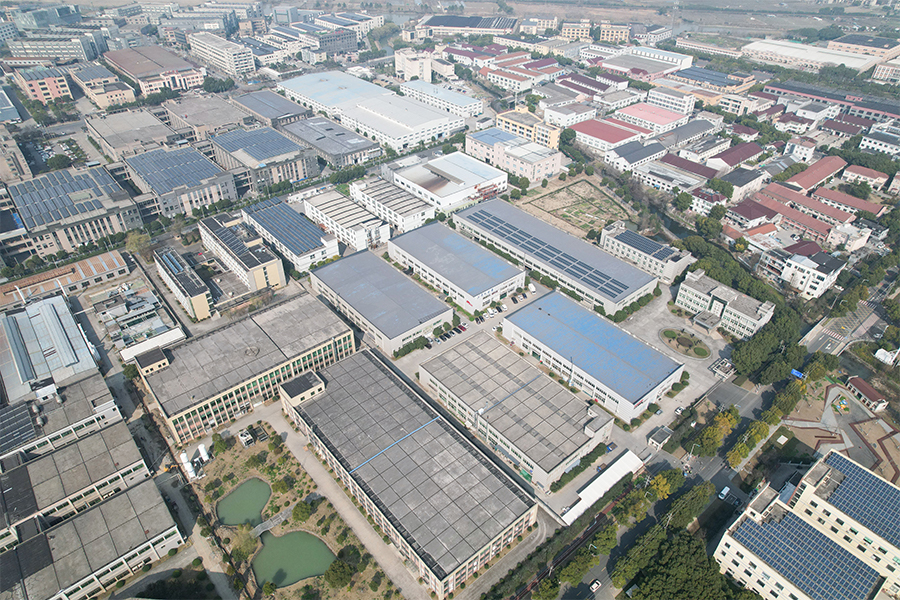
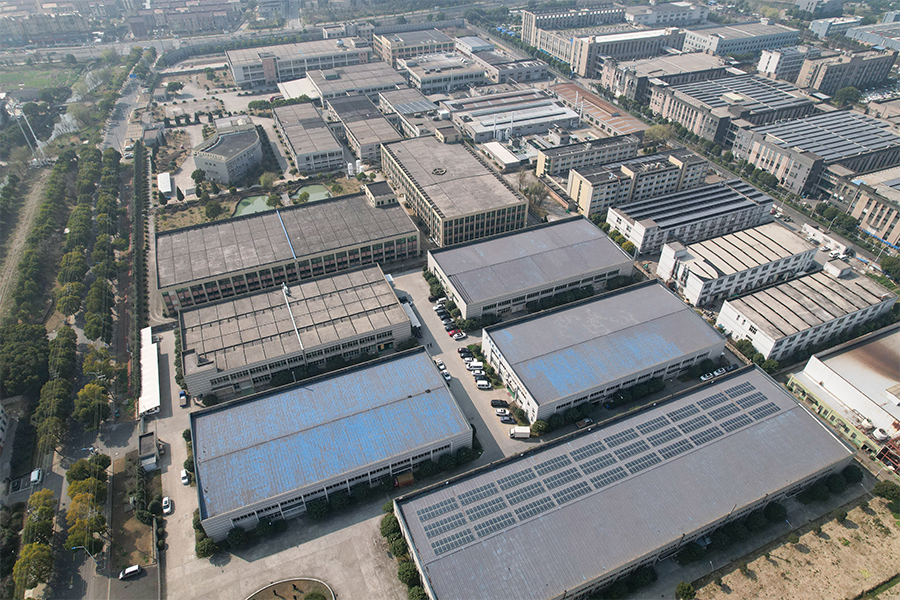
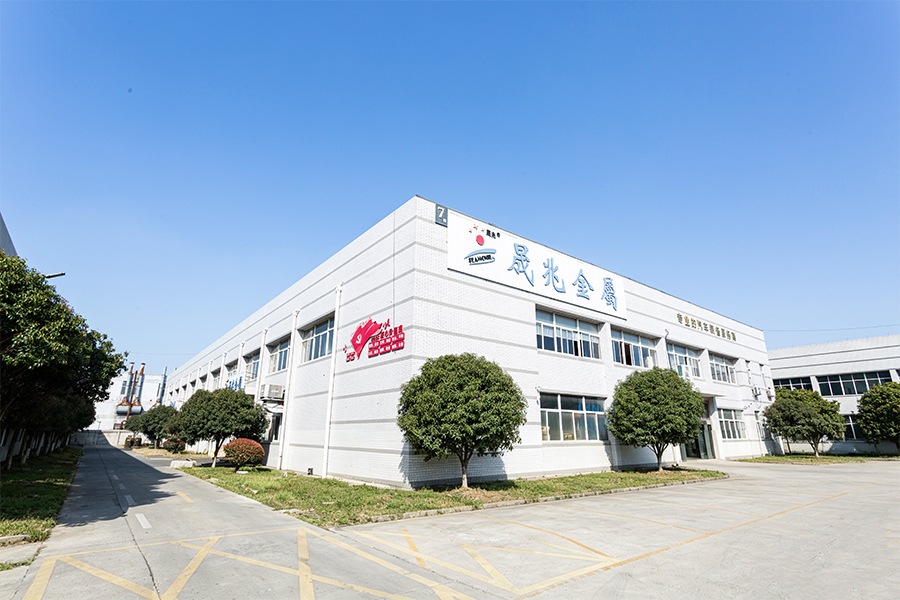
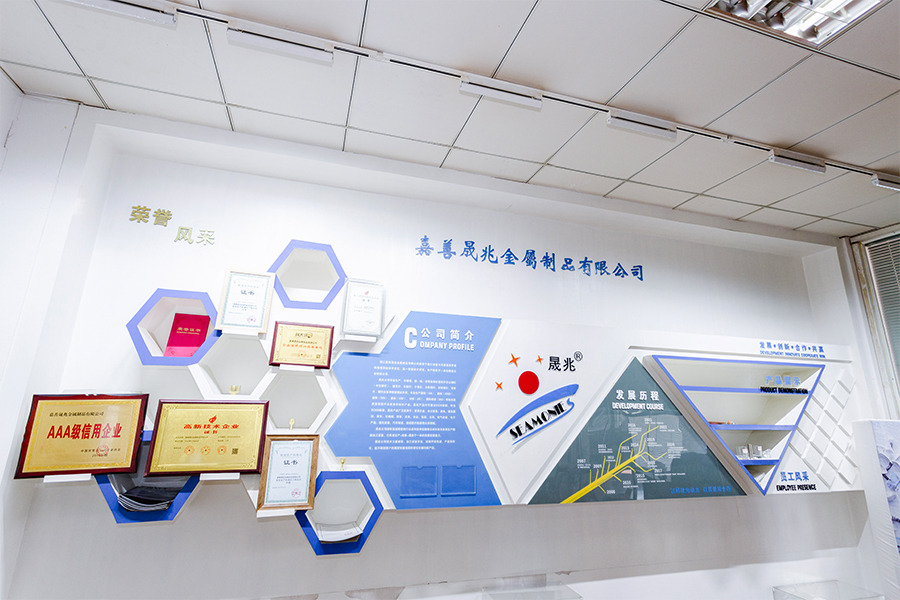
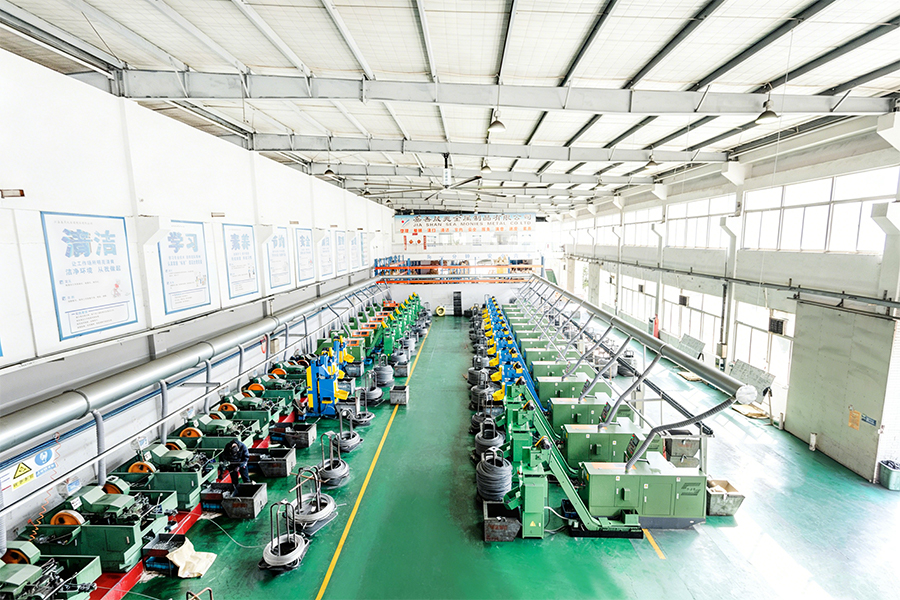
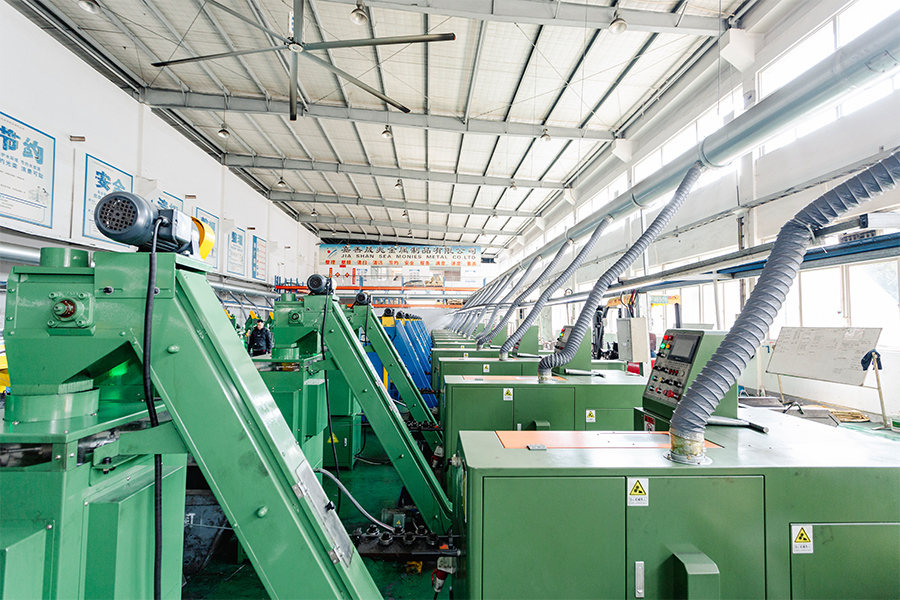
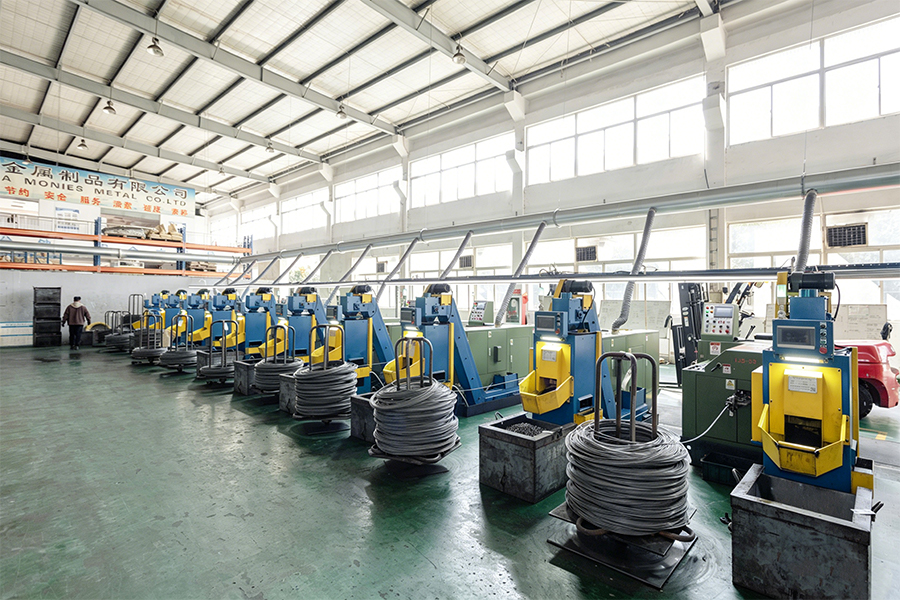
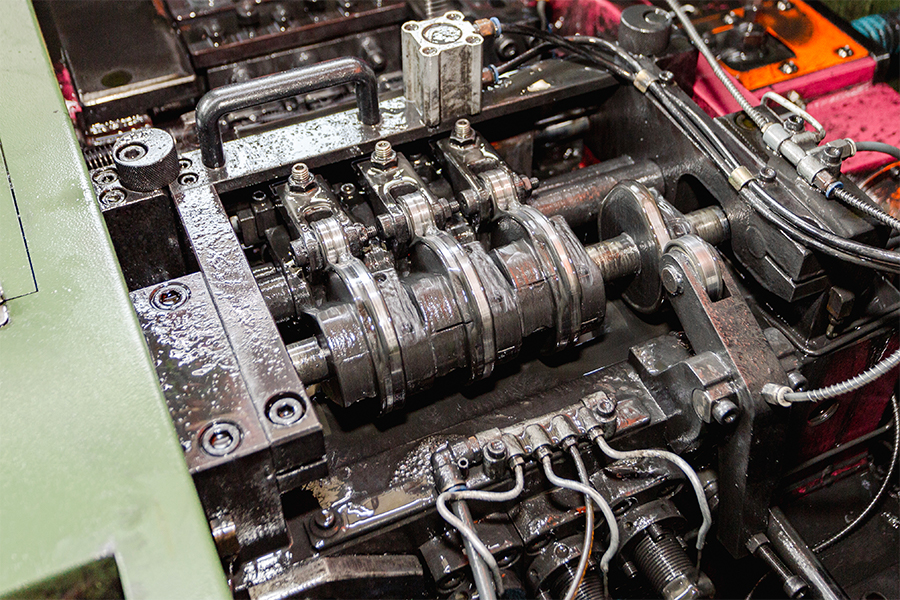
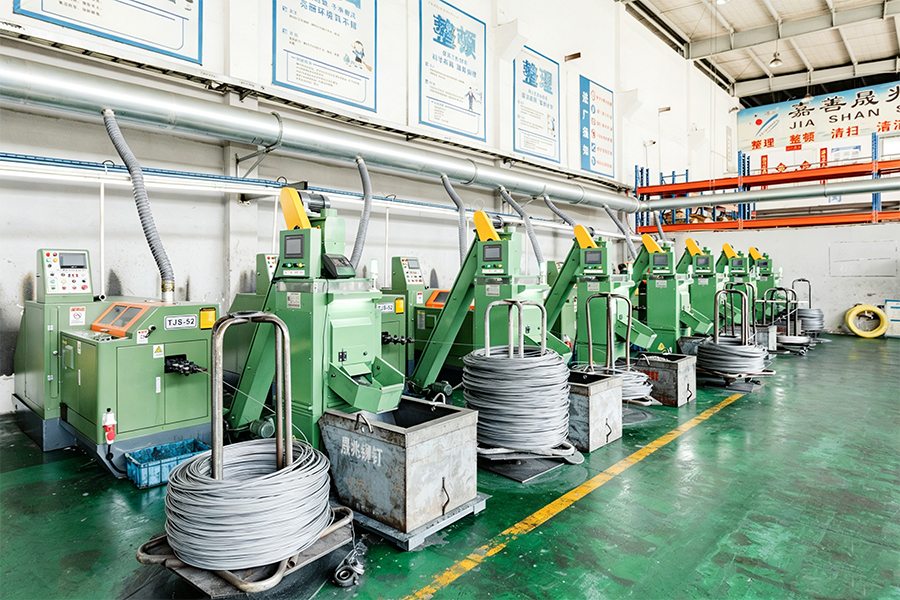
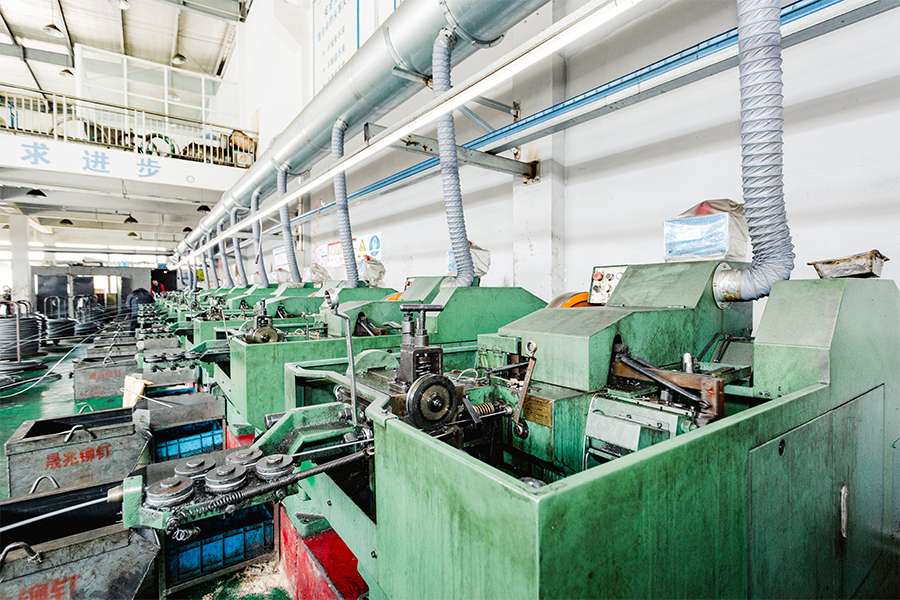
Ketepatan pembuatan baut kereta secara langsung mempengaruhi konsistensi geometri leher persegi—faktor kunci dalam mencapai pengikatan yang andal pada berbagai spesies kayu. Zhejiang Chance & Union Impor dan Ekspor Co., Ltd. (Chance & Union) adalah perusahaan milik keluarga di bawah SEA Monies Metal Co., Ltd., yang mewarisi 20 tahun pengalaman keluarga dan warisan kualitas dalam manufaktur logam. Mengandalkan kapasitas produksi dan keunggulan rantai pasokan Shengzhao Metal yang kuat, kami berspesialisasi dalam R&D, produksi, dan penjualan global produk logam berkualitas tinggi. Mengikuti upaya keluarga dalam mengejar presisi, sikap kerja yang ketat, dan komitmen jangka panjang, kami memberikan produk dan layanan yang stabil dan andal kepada pelanggan di seluruh dunia.
Memanfaatkan kemampuan R&D dan produksi pabrik yang kuat, kami berspesialisasi dalam paku keling, baut, mur, ring, pin, sekrup, dan berbagai suku cadang khusus non-standar berkekuatan tinggi. Rangkaian produk kami mencakup material termasuk baja tahan karat, baja paduan, paduan aluminium, tembaga, dan paduan khusus, memanfaatkan proses seperti cold heading, hot forging, dan permesinan CNC. Produk kami diekspor ke lebih dari 25 negara, melayani lebih dari 200 klien.
Chance & Union berkomitmen untuk secara mulus menghubungkan "Diproduksi di Tiongkok" dengan pasar internasional, memberikan pelanggan global solusi pengikatan terpadu mulai dari Penelitian dan Pengembangan hingga produksi massal melalui teknologi profesional dan kualitas luar biasa. Untuk baut penahan, kami menjaga toleransi ketat pada dimensi leher persegi dan geometri kepala untuk memastikan kinerja penyematan yang konsisten pada aplikasi kayu lunak dan kayu keras.
6. Pertanyaan yang Sering Diajukan (FAQ)
- Q1: Haruskah saya menggunakan baut penahan baja tahan karat atau galvanis untuk kayu yang diberi perlakuan tekanan?
J: Kayu yang diberi perlakuan tekanan mengandung bahan kimia yang mempercepat korosi pada baja standar. Baut penahan baja tahan karat 18‑8 sering kali direkomendasikan untuk kayu yang diberi perlakuan tekanan karena ketahanannya terhadap korosi yang unggul. Zhejiang Chance & Union Impor dan Ekspor Co., Ltd. (Chance & Union) menawarkan opsi hot-dip galvanis dan baja tahan karat (304/316) untuk menyesuaikan paparan lingkungan spesifik dan persyaratan masa pakai Anda. - Q2: Bagaimana cara mencegah baut media berputar ketika saya tidak dapat mengakses sisi kepala?
J: Leher persegi dirancang khusus untuk mencegah pemintalan saat tertanam sepenuhnya ke dalam kayu. Pastikan lubang pilot memiliki diameter yang benar (sedikit lebih kecil dari betis) dan leher persegi didorong sepenuhnya ke dalam material. Jika kayu sudah rusak parah atau lubangnya membesar, mur pengunci nilon atau mur ganda dapat membantu mengencangkan rakitan. Zhejiang Chance & Union Impor dan Ekspor Co., Ltd. (Chance & Union) merekomendasikan untuk memeriksa tempat duduk leher persegi sebelum pengencangan akhir. - Q3: Berapa ukuran lubang pilot yang direkomendasikan untuk baut penahan pada kayu keras?
J: Untuk kayu keras, bor terlebih dahulu lubang pilot 1/16″ lebih kecil dari diameter betis baut untuk mencegah pecah. Leher persegi memerlukan ketukan yang hati-hati atau pendalaman yang telah dikerjakan sebelumnya agar dapat tertanam sepenuhnya. Zhejiang Chance & Union Impor dan Ekspor Co., Ltd. (Chance & Union) merekomendasikan penggunaan proses pengeboran bertahap atau mata bor countersink khusus untuk aplikasi kayu keras presisi guna menghindari konsentrasi tegangan dan keretakan.
Mengelola Interferensi Benang pada Baut Pelatih Galvanis Hot-Dip: Bagaimana Spin Centrifuging dan Post-Galvanizing Tapping Mengkompensasi Penumpukan Lapisan sesuai ISO 965-1
Galvanisasi hot-dip (HDG) memberikan perlindungan korosi yang luar biasa baut pelatih digunakan pada struktur kayu luar ruangan, namun prosesnya menimbulkan tantangan teknik yang signifikan: lapisan seng menambah ketebalan pada ulir eksternal (baut) dan internal (mur), yang berpotensi melebihi batas toleransi ulir yang ditentukan oleh ISO 965-1. "Intervensi" ini dapat membuat perakitan menjadi sulit atau tidak mungkin dilakukan tanpa kompensasi yang sesuai. Artikel ini menjelaskan bagaimana dua proses utama—sentrifugasi putaran dan penyadapan pasca-galvanisasi—diterapkan untuk mengembalikan kesesuaian benang yang berfungsi.
1. Memahami Toleransi Benang ISO 965-1 dan Masalah Tunjangan Lapisan
ISO 965-1 mendefinisikan profil ulir metrik standar dengan toleransi yang ditentukan untuk ulir internal dan eksternal. Untuk pengencang galvanis hot-dip, ketebalan lapisan harus diperhitungkan sebagai lapisan tambahan pada ulir baut dan ulir mur. Efek kumulatifnya dapat mengurangi jarak bebas ulir menjadi nol atau bahkan menimbulkan kelonggaran negatif—artinya mur tidak akan terpasang pada baut.
Tabel berikut mengilustrasikan pengaruh lapisan HDG pada dimensi ulir untuk kombinasi baut dan mur M12.
| Parameter | Tidak Dilapisi (Nominal) | Dengan HDG (Pelapis Dua Sisi) | Akumulasi Interferensi |
|---|---|---|---|
| Diameter Utama Benang Baut | 12.000mm | 12.000 2×lapisan = 12.080 mm | Pengurangan jarak bebas ulir: total hingga 0,160 mm |
| Diameter Kecil Benang Mur (Internal) | 10.500mm | 10.500 - 2 × pelapisan = 10.420 mm | |
| Pemasangan Benang yang Efektif | Izin dalam toleransi ISO 965-1 | Potensi izin nol atau negatif | Interferensi mencegah perakitan |
Catatan: Ketebalan lapisan HDG tipikal untuk pengencang M12 berkisar antara 40–60 µm per sisi. Penumpukan radial total pada baut (diameter utama) dan pengurangan internal pada mur (diameter kecil) digabungkan untuk menciptakan masalah kesesuaian yang signifikan.
2. Proses Kompensasi 1 : Spin Centrifuging (Pemintalan Sentrifugal)
Spin centrifuging diterapkan segera setelah bak galvanisasi saat lapisan masih cair. Pengikat ditempatkan dalam keranjang berlubang dan diputar dengan kecepatan tinggi, mengeluarkan kelebihan seng dari benang dan permukaan lainnya. Proses ini mencapai tiga hasil penting:
- Ketebalan Lapisan Seragam: Pemintalan mengurangi lapisan pada puncak benang dan akar menjadi lapisan yang lebih seragam dan tipis—biasanya rata-rata 30–50 µm untuk pengencang yang lebih besar. Hal ini membantu meminimalkan penumpukan pada zona diameter kritis.
- Pembersihan Benang: Dengan membuang seng berlebih, gerakan pemintalan membantu menjaga profil benang, mencegah pengisian kotor pada akar atau puncak benang, dan mengurangi risiko gangguan besar.
- Variasi Terkendali: Sentrifugasi yang terkontrol dengan baik dapat mengurangi variasi ketebalan lapisan dalam satu batch, menjadikan proses penyadapan selanjutnya lebih dapat diprediksi dan dapat diandalkan.
Namun, sentrifugasi saja tidak selalu cukup untuk mencapai kesesuaian ISO 965-1, terutama untuk baut berdiameter lebih besar (M16 dan lebih tinggi) dengan persyaratan lapisan yang lebih berat. Penyadapan pasca-galvanisasi sering kali diperlukan sebagai langkah kompensasi sekunder.
3. Proses Kompensasi 2: Penyadapan Pasca-Galvanisasi atau Penyikatan Benang
Penyadapan pasca-galvanisasi (atau penyikatan benang) melibatkan penyaluran keran atau sikat yang diperkeras melalui benang yang dilapisi untuk menghilangkan kelebihan seng secara selektif dari sisi dan puncak benang tanpa memperlihatkan baja telanjang. Proses ini dilakukan setelah lapisan mendingin dan mengeras.
- Penghapusan Selektif: Keran tersebut memotong atau menekan lapisan seng pada puncak dan sisi benang, mengembalikan profil benang ke bentuk geometris standar sambil membiarkan sisa seng pada akar dan permukaan lainnya tetap utuh untuk perlindungan terhadap korosi.
- Restorasi Diameter: Penyadapan mengurangi diameter utama ulir eksternal dan membersihkan diameter kecil ulir internal, sehingga mengembalikan jarak bebas yang disyaratkan oleh ISO 965-1. Jarak bebas yang diinginkan setelah penyadapan biasanya ditentukan dalam standar, memastikan baut dan mur terpasang dengan lancar.
- Pelestarian Lapisan: Jika dilakukan dengan benar, penyadapan pasca-galvanisasi hanya menghilangkan kelebihan seng—kira-kira 10–15 µm dari puncaknya—tanpa mengurangi lapisan di bawah ketebalan lokal minimum yang disyaratkan oleh ASTM A153 atau ISO 1461.
Banyak produsen, termasuk Chance & Union, menerapkan kombinasi sentrifugasi terkontrol dan penyadapan presisi untuk memastikan baut pelatih HDG secara konsisten memenuhi persyaratan kesesuaian ISO 965-1 sekaligus menjaga integritas lapisan.
4. Perspektif Manufaktur: Mencapai Kesesuaian Benang yang Konsisten
Kombinasi putaran sentrifugasi dan penyadapan pasca-galvanisasi memerlukan pengendalian proses yang cermat. Variabel kuncinya meliputi waktu perendaman, kecepatan penarikan, kecepatan centrifuge, geometri tap, dan parameter pemotongan yang digunakan dalam operasi sekunder. Zhejiang Chance & Union Impor dan Ekspor Co., Ltd. (Chance & Union) adalah perusahaan milik keluarga di bawah SEA Monies Metal Co., Ltd., yang mewarisi 20 tahun pengalaman keluarga dan warisan kualitas dalam manufaktur logam. Mengandalkan kapasitas produksi dan keunggulan rantai pasokan Shengzhao Metal yang kuat, kami berspesialisasi dalam R&D, produksi, dan penjualan global produk logam berkualitas tinggi. Mengikuti upaya keluarga dalam mengejar presisi, sikap kerja yang ketat, dan komitmen jangka panjang, kami memberikan produk dan layanan yang stabil dan andal kepada pelanggan di seluruh dunia.
Memanfaatkan kemampuan R&D dan produksi pabrik yang kuat, kami berspesialisasi dalam paku keling, baut, mur, ring, pin, sekrup, dan berbagai suku cadang khusus non-standar berkekuatan tinggi. Rangkaian produk kami mencakup material termasuk baja tahan karat, baja paduan, paduan aluminium, tembaga, dan paduan khusus, memanfaatkan proses seperti cold heading, hot forging, dan permesinan CNC. Produk kami diekspor ke lebih dari 25 negara, melayani lebih dari 200 klien.
Chance & Union berkomitmen untuk secara mulus menghubungkan "Diproduksi di Tiongkok" dengan pasar internasional, memberikan pelanggan global solusi pengikatan terpadu mulai dari Penelitian dan Pengembangan hingga produksi massal melalui teknologi profesional dan kualitas luar biasa. Untuk baut pelatih HDG, kami menerapkan pendekatan kompensasi ganda: sentrifugasi putaran yang dioptimalkan untuk mengontrol ketebalan lapisan, diikuti dengan penyadapan pasca-galvanisasi yang presisi untuk memastikan bahwa setiap baut memenuhi persyaratan kesesuaian ulir ISO 965-1 untuk perakitan mur yang mulus.
5. Pertanyaan yang Sering Diajukan (FAQ)
- Q1: Berapa banyak ketebalan lapisan yang biasanya dihilangkan dengan penyadapan pasca-galvanisasi?
J: Penyadapan umumnya menghilangkan 10–15 µm seng dari puncak ulir—cukup untuk mengembalikan jarak bebas tanpa mengekspos baja di bawahnya. Hal ini memastikan bahwa ketebalan lapisan minimum yang disyaratkan oleh ASTM A153 (1,7 mils / 43 µm untuk baut M20) tetap terjaga. Zhejiang Chance & Union Impor dan Ekspor Co., Ltd. (Chance & Union) mengontrol proses ini untuk menjaga kesesuaian benang dan perlindungan korosi. - Q2: Dapatkah spin centrifuging saja mencapai kesesuaian ISO 965-1 tanpa penyadapan pasca-galvanisasi?
J: Dalam beberapa kasus, terutama untuk baut berdiameter lebih kecil (M6–M10) dengan lapisan lebih ringan, sentrifugasi saja dapat menghasilkan ulir yang dapat diterima. Namun, untuk ukuran M12 dan lebih besar, atau ketika penyesuaian ketat ISO 965-1 diperlukan, penyadapan pasca-galvanisasi hampir selalu diperlukan. Zhejiang Chance & Union Impor dan Ekspor Co., Ltd. (Chance & Union) menggunakan kedua proses tersebut untuk memastikan kualitas batch yang konsisten di semua diameter. - Q3: Apakah penyadapan pasca-galvanisasi mempengaruhi ketahanan korosi pada baut?
J: Jika dilakukan dengan benar, penyadapan hanya akan menghilangkan kelebihan seng dari puncak benang, sehingga meninggalkan lapisan yang cukup pada akar benang dan permukaan penting lainnya. Ketahanan korosi baut secara keseluruhan dalam uji semprotan garam tetap sebanding dengan pengikat yang belum dimanfaatkan. Zhejiang Chance & Union Impor dan Ekspor Co., Ltd. (Chance & Union) memberikan laporan verifikasi ketebalan lapisan untuk mengonfirmasi kepatuhan terhadap ASTM A153 atau ISO 1461 setelah penyadapan.





