










Bagaimana cara kerja pin clevis dalam hubungan mekanis?
Pin clevis adalah komponen pengikat mekanis penting yang dirancang untuk menciptakan sambungan yang aman namun dapat dilepas antar bagian yang bergerak. Pin clevis adalah pin yang dapat dilepas yang sering digunakan dengan pasak, pin pegas, atau cincin penahan untuk menghubungkan komponen mekanis atau hubungan kontrol. Ini memiliki struktur sederhana, pemasangan mudah, dan memungkinkan rotasi atau pergerakan terbatas. Karena karakteristik ini, pin clevis banyak digunakan pada mesin pertanian, sistem otomotif, peralatan kelautan, dan rakitan industri yang memerlukan gerakan fleksibel dan sambungan yang andal.
Dalam sambungan mekanis, pin clevis bekerja dengan melewati lubang yang sejajar pada komponen yang terhubung, seperti garpu clevis dan lengan penghubung. Pin bertindak sebagai titik pivot dengan tetap menjaga posisi bagian-bagian yang terhubung. Desain yang dapat dilepas memungkinkan teknisi merakit, memeriksa, memperbaiki, atau mengganti komponen dengan cepat tanpa merusak struktur di sekitarnya. Tergantung pada persyaratan aplikasi, desain yang berbeda seperti Pin Clevis Standar , Pin Clevis Kepala Datar , Pin Clevis Baja Tahan Karat 304, dan Pin Clevis Baja Tahan Karat 316 dapat memberikan tingkat kekuatan, ketahanan korosi, dan fleksibilitas pemasangan yang berbeda.
Memahami Struktur Dasar dan Prinsip Kerja Clevis Pins
Pin clevis biasanya terdiri dari poros silinder dan bagian kepala yang mencegah pin melewati seluruh komponen yang terhubung. Selama pemasangan, pin dimasukkan melalui lubang yang cocok dan diamankan dengan elemen penahan. Sambungan ini memungkinkan gerakan terkontrol sekaligus mencegah pemisahan yang tidak diinginkan. Tidak seperti pengencang permanen, pin clevis dirancang untuk perakitan dan pembongkaran berulang, sehingga cocok untuk sistem mekanis yang memerlukan perawatan rutin.
Prinsip kerja clevis pin didasarkan pada perpindahan beban dan gerakan rotasi. Ketika gaya diterapkan pada sistem linkage, pin clevis mendistribusikan beban antara komponen yang terhubung sekaligus memungkinkan rentang gerak yang diperlukan. Desainnya mengurangi gesekan antara bagian yang bergerak dan menyediakan sambungan yang stabil dalam kondisi kerja yang dinamis. Kombinasi struktur sederhana dan pemasangan yang fleksibel membuat pin clevis banyak digunakan dalam aplikasi hubungan mekanis.
- Hubungkan komponen mekanis yang dapat dilepas tanpa pengelasan atau pengikatan permanen.
- Menyediakan fungsi pivot untuk sistem linkage bergerak.
- Memungkinkan pemeriksaan dan penggantian yang mudah selama pemeliharaan peralatan.
- Mendukung persyaratan lingkungan yang berbeda melalui berbagai pilihan material.
Pin Clevis Standar untuk Aplikasi Tautan Mekanis Umum
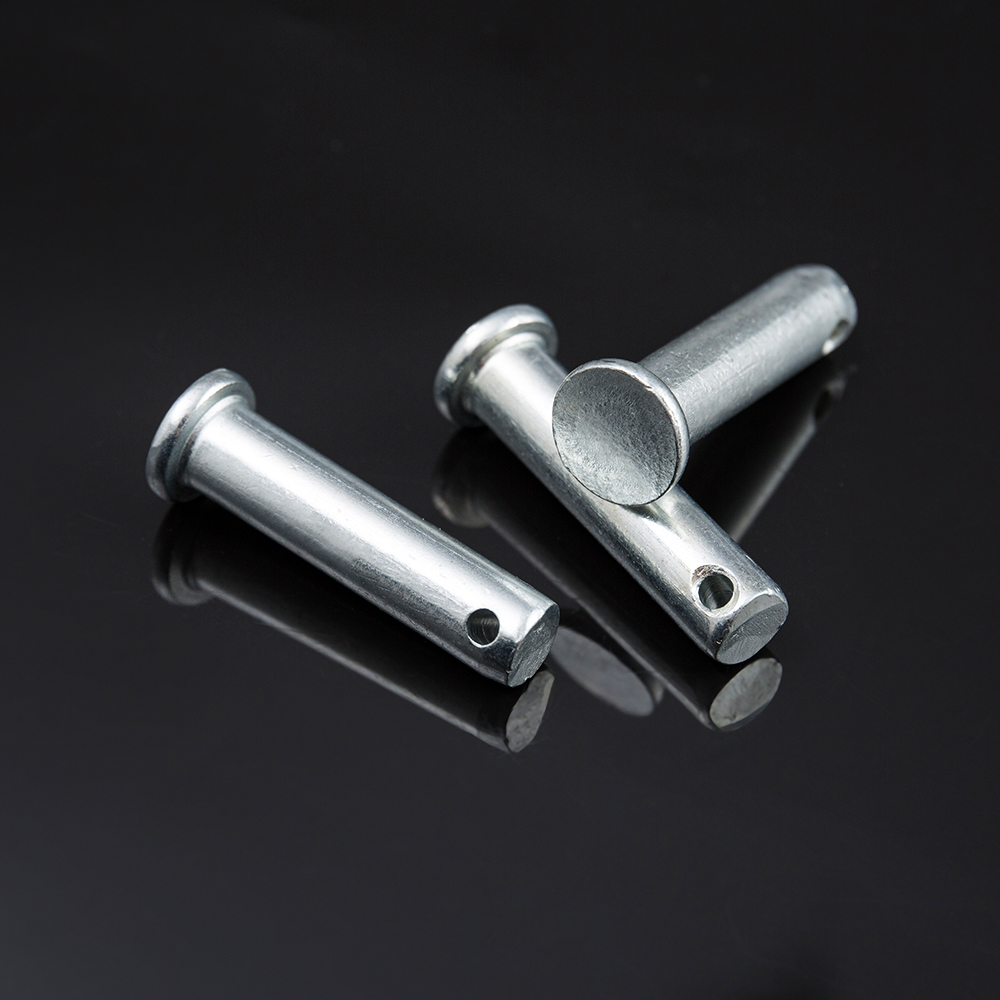
Pin Clevis Standar adalah komponen pengikat yang umum digunakan untuk sambungan mekanis umum yang memerlukan kinerja andal dan pemasangan yang mudah. Mereka diproduksi dengan dimensi standar agar sesuai dengan struktur penghubung umum dan sering dikombinasikan dengan pasak atau cincin penahan untuk penempatan yang aman. Pin ini memberikan keseimbangan praktis antara kekuatan, fleksibilitas, dan kenyamanan perawatan.
Pada mesin pertanian, peralatan konstruksi, dan mekanisme industri, pin clevis standar sering digunakan untuk menyambungkan lengan kendali, braket, dan rakitan penggerak. Strukturnya yang dapat dilepas memungkinkan operator dengan cepat mengganti komponen yang aus dan mengurangi waktu henti peralatan. Dibandingkan dengan metode pengikatan permanen, pin clevis standar menawarkan kemudahan servis yang lebih baik karena sambungan dapat dibuka tanpa operasi pemotongan atau pemesinan khusus.
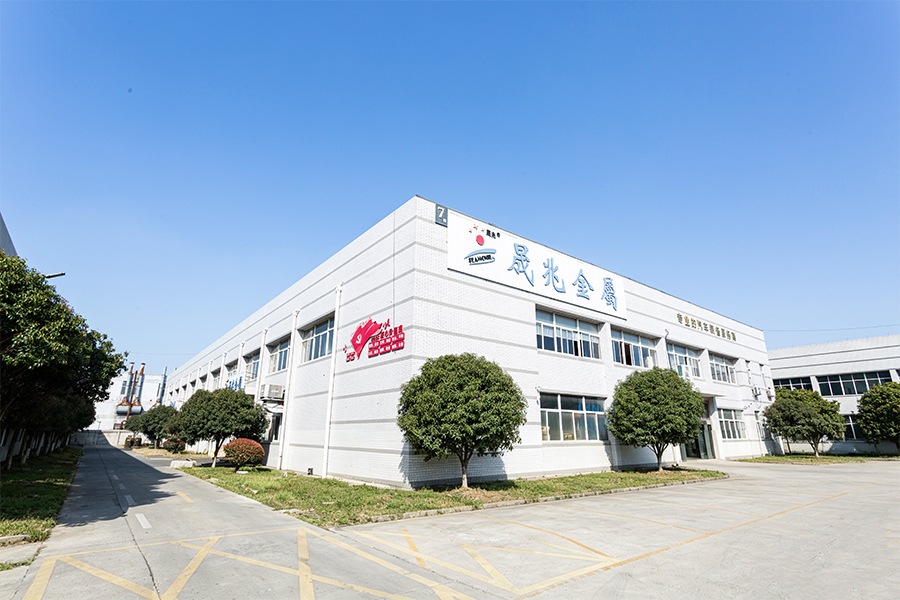
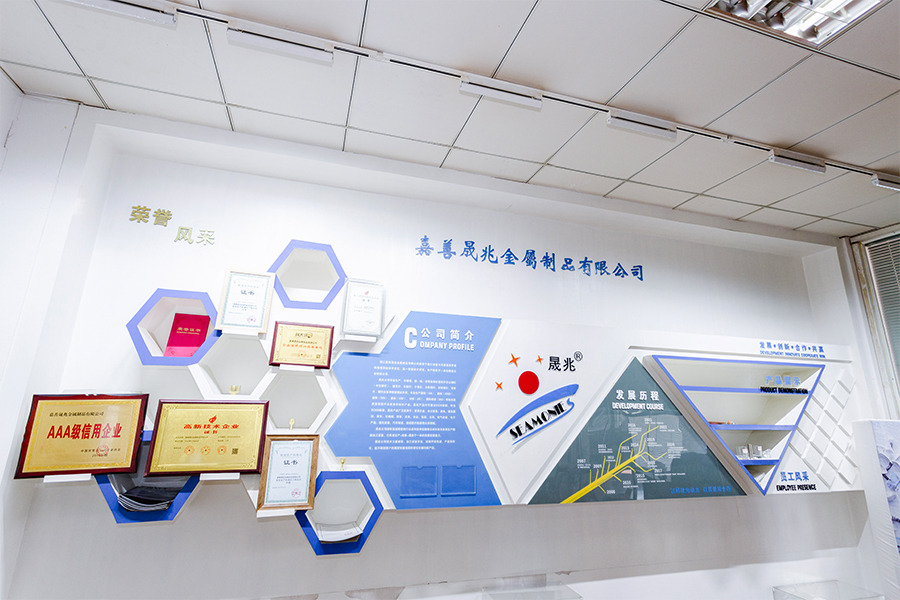
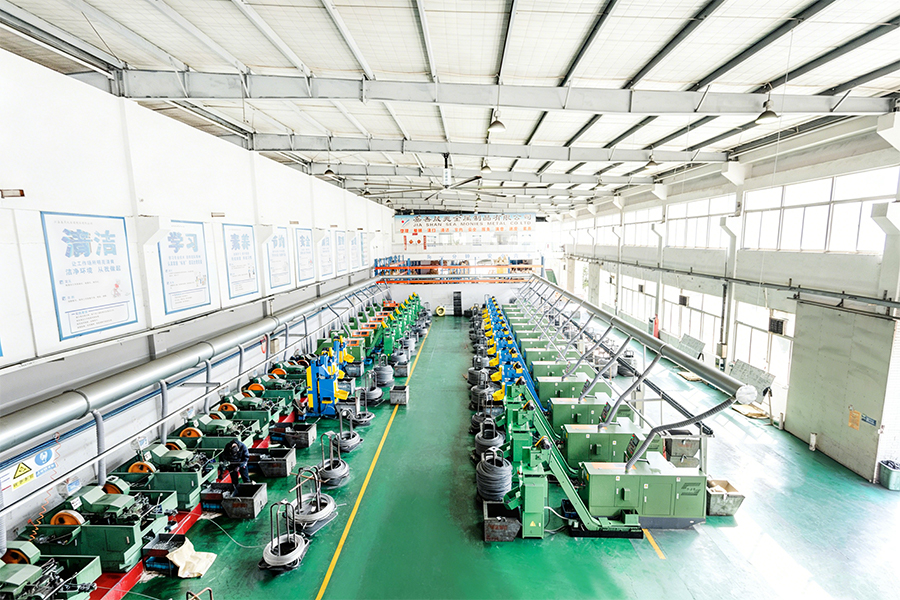
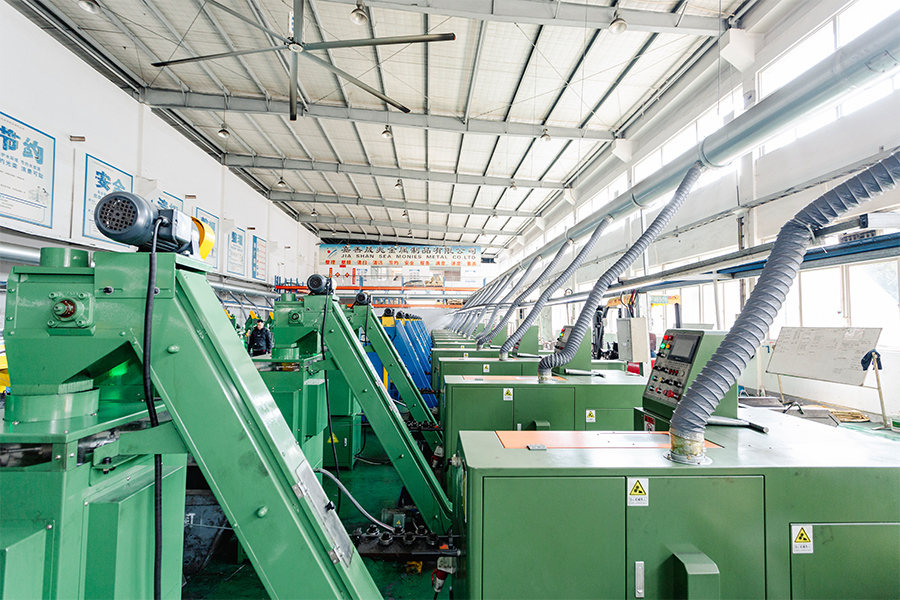
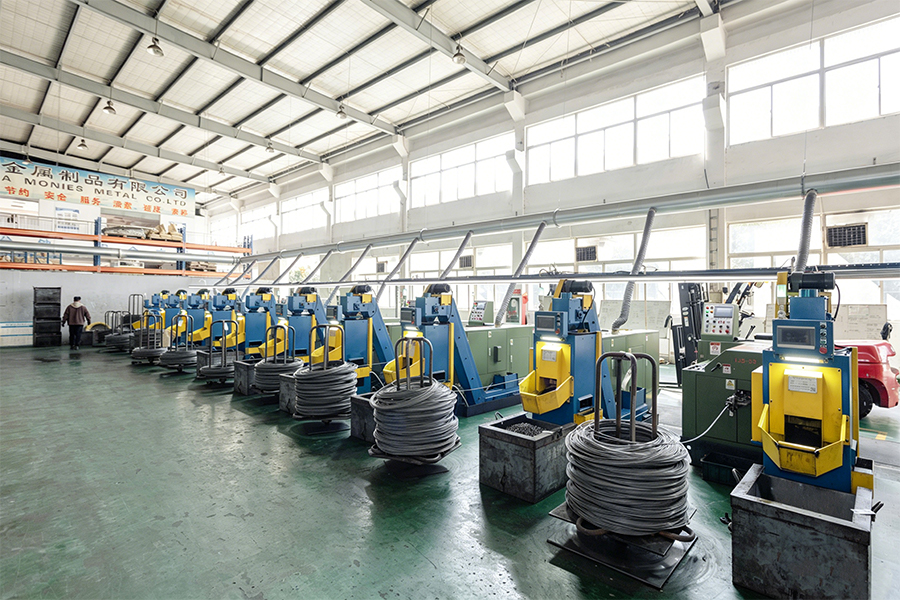
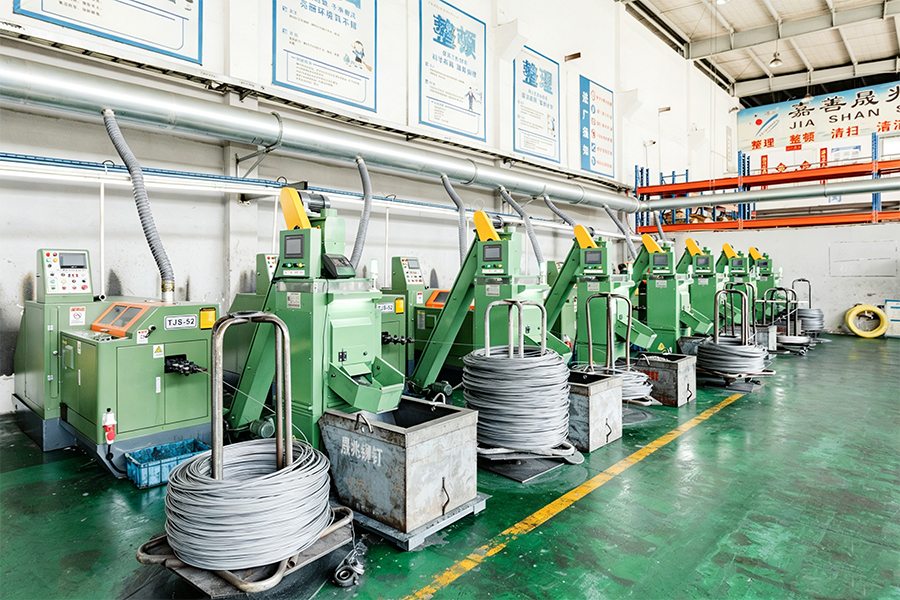
Produksi pin clevis standar yang andal memerlukan pemesinan yang akurat, kontrol material yang stabil, dan manajemen toleransi yang ketat. Zhejiang Chance & Union Impor dan Ekspor Co, Ltd (Chance & Union) berfokus pada komponen logam presisi dengan menggabungkan sumber daya manufaktur canggih dengan pengalaman pengikat jangka panjang. Perusahaan ini menyediakan berbagai suku cadang pengikat yang diproduksi melalui proses cold heading, hot forging, dan pemesinan CNC, mendukung pelanggan dengan kualitas yang konsisten untuk aplikasi industri.
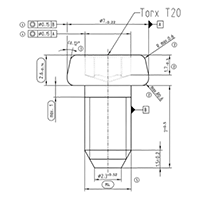
Untuk pelanggan yang membutuhkan dimensi khusus di luar spesifikasi standar, Pin Clevis Standar dan solusi pin clevis khusus terkait dapat diproduksi sesuai dengan gambar, persyaratan toleransi, dan standar material. Fleksibilitas ini membantu perancang mekanik mengadaptasi struktur sambungan untuk kondisi peralatan yang berbeda.
Pin Clevis Kepala Datar untuk Pemosisian Aman dan Efisiensi Pemasangan
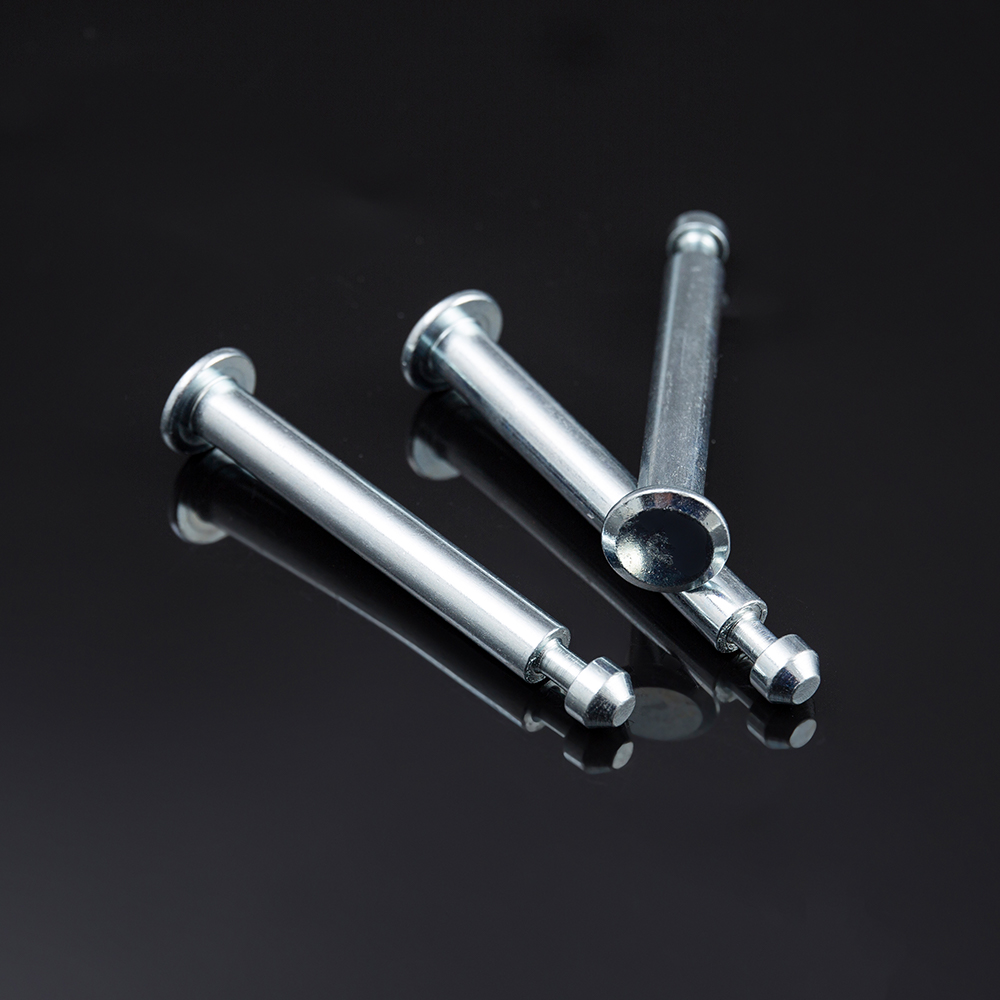
Pin Clevis Kepala Datar menampilkan desain kepala yang lebih lebar dan datar dibandingkan dengan struktur pin konvensional. Permukaan kepala yang diperbesar meningkatkan stabilitas kontak dan membantu mencegah pin bergerak melalui komponen yang terhubung. Desain ini sangat berguna dalam aplikasi di mana keterbatasan ruang, arah pemasangan, atau persyaratan kontak permukaan mempengaruhi pemilihan pengikat.
Desain kepala datar biasanya diterapkan pada hubungan mekanis, rakitan kendaraan, mesin industri, dan peralatan yang memerlukan penyesuaian sering. Kepala datar memberikan permukaan bantalan yang lebih besar, yang membantu mendistribusikan tekanan kontak dan meningkatkan keandalan sambungan. Karakteristik ini membuat pin clevis kepala datar cocok untuk aplikasi di mana getaran, gerakan berulang, atau akses pemasangan terbatas dapat memengaruhi kinerja pengikatan.
Dibandingkan dengan struktur kepala bundar tradisional, pin clevis kepala datar menawarkan keunggulan dalam pemosisian dan kenyamanan perakitan. Mereka dapat mengurangi gangguan pada komponen di sekitarnya dan memberikan profil pemasangan yang lebih ringkas. Jika digabungkan dengan elemen pengunci yang sesuai, elemen tersebut akan menghasilkan sambungan stabil yang mendukung gerakan rotasi dan retensi yang aman.
- Pilih diameter dan panjang pin yang benar sesuai dengan persyaratan desain linkage.
- Sejajarkan lubang penghubung dengan akurat sebelum memasukkan pin clevis.
- Pasang komponen penahan untuk mencegah pergerakan yang tidak disengaja selama pengoperasian.
- Periksa sambungan secara teratur untuk memastikan kinerja mekanis yang berkelanjutan.
Pin Clevis Stainless Steel 304 316 untuk Lingkungan Tahan Korosi
Pin Clevis Baja Tahan Karat 304 316 dirancang untuk aplikasi yang memerlukan peningkatan ketahanan terhadap korosi dan daya tahan jangka panjang. Bahan baja tahan karat memberikan perlindungan yang lebih baik terhadap kelembapan, oksidasi, dan kondisi lingkungan yang keras dibandingkan dengan opsi baja karbon standar. Sifat-sifat ini membuatnya cocok untuk peralatan kelautan, mesin luar ruangan, peralatan pemrosesan makanan, dan lingkungan lain yang mengutamakan stabilitas material.
Pin clevis baja tahan karat mempertahankan prinsip kerja dasar yang sama seperti desain pin clevis lainnya sekaligus menawarkan peningkatan ketahanan terhadap lingkungan. Mereka mendukung pergerakan mekanis, perakitan yang dapat dilepas, dan transfer beban yang andal sekaligus mengurangi risiko kegagalan terkait korosi. Pemilihan antara berbagai tingkatan baja tahan karat bergantung pada persyaratan aplikasi, kondisi pemaparan, dan masa pakai yang diharapkan.
Chance & Union mengkhususkan diri dalam pembuatan dan penyediaan pengencang logam presisi menggunakan baja tahan karat, baja paduan, paduan aluminium, tembaga, titanium, baja dupleks, dan paduan khusus lainnya. Dengan kemampuan R&D dan produksi yang kuat, Zhejiang Chance & Union Impor dan Ekspor Co., Ltd. menyediakan solusi pengikatan khusus untuk industri termasuk dirgantara, kendaraan listrik, peralatan medis, dan mesin industri.
| Kategori Produk | Fitur Utama | Aplikasi Khas | Keuntungan Utama |
| Pin Clevis Standar | Struktur pin silinder serba guna dengan pemasangan yang dapat dilepas | Mesin pertanian, peralatan industri, hubungan mekanis | Perawatan mudah dan kompatibilitas luas |
| Pin Clevis Kepala Datar | Kepala datar yang diperbesar untuk meningkatkan posisi | Rakitan kompak dan mekanisme pergerakan | Stabilitas dan kenyamanan pemasangan yang lebih baik |
| Pin Clevis Baja Tahan Karat 304 316 | Konstruksi baja tahan karat tahan korosi | Lingkungan laut, luar ruangan, dan menuntut | Umur panjang dan ketahanan lingkungan |
Kemampuan Kustomisasi dan Kontrol Kualitas untuk Produksi Clevis Pin
Sistem mekanis modern seringkali memerlukan komponen dengan dimensi, bahan, atau persyaratan permukaan tertentu. Produk yang distandarisasi mungkin tidak selalu memenuhi aplikasi khusus yang melibatkan bentuk yang tidak biasa, alur khusus, struktur yang sangat panjang, atau persyaratan toleransi yang ketat. Produsen pin clevis profesional menyediakan layanan penyesuaian untuk mendukung tantangan teknis ini.
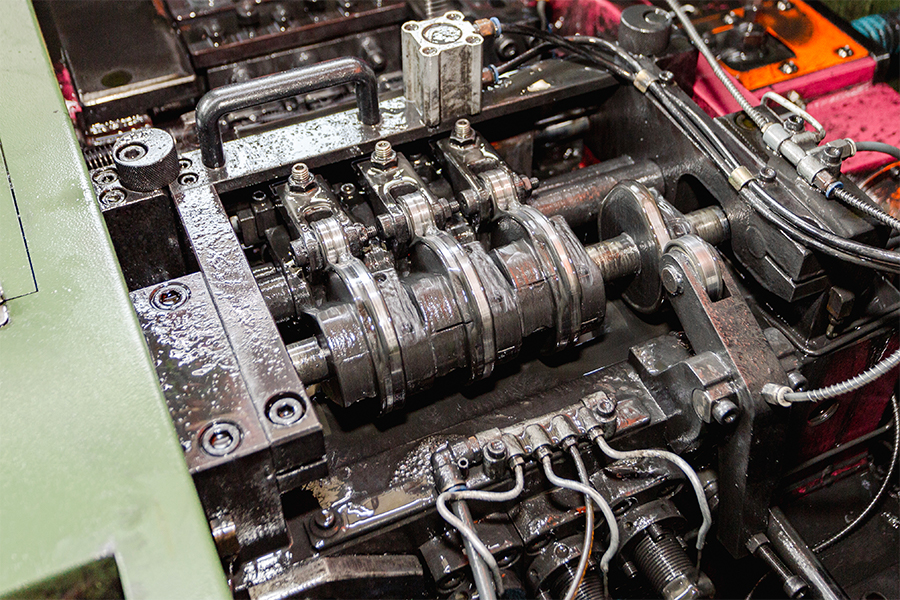
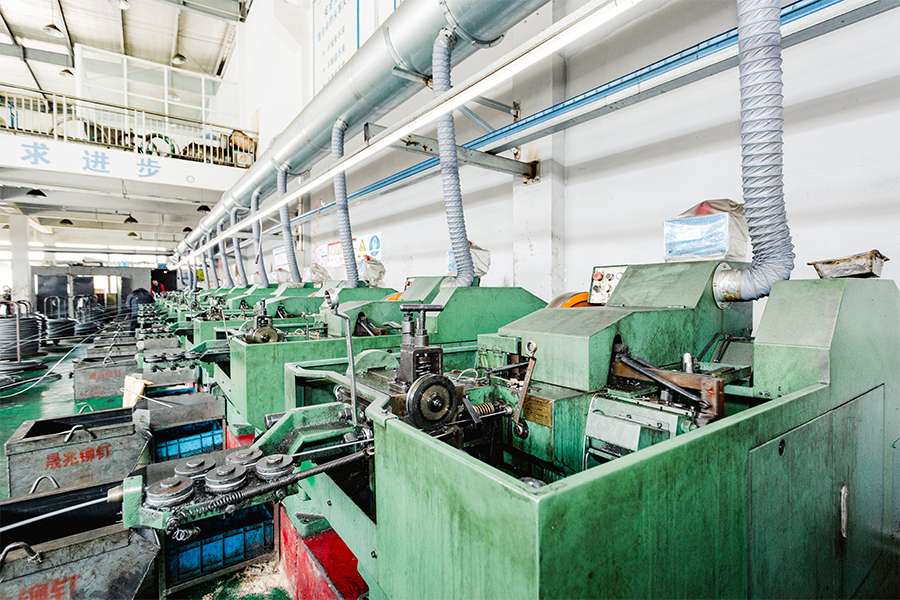
Chance & Union mengembangkan komponen presisi sesuai dengan gambar pelanggan, spesifikasi teknis, dan persyaratan produksi. Perusahaan menerapkan teknologi cold-heading otomatis dan proses pemesinan untuk mencapai kualitas yang konsisten selama produksi massal. Kemampuan manufakturnya mencakup paku keling, baut, mur, ring, pin, sekrup berkekuatan tinggi, dan berbagai suku cadang khusus non-standar.
Pin Clevis Baja Tahan Karat 304 316 dan produk pin khusus lainnya dapat diproduksi dengan dimensi terkontrol, bahan yang sesuai, dan dukungan teknis profesional. Melalui sistem ketertelusuran produk, catatan kualitas, dan dukungan layanan siklus hidup, Chance & Union membantu pelanggan mempertahankan kinerja yang stabil mulai dari produksi hingga aplikasi akhir.
Bagaimana Clevis Pin Meningkatkan Kinerja Mechanical Linkage
Hubungan mekanis bergantung pada pergerakan yang akurat, sambungan yang stabil, dan perawatan yang mudah. Pin Clevis berkontribusi terhadap persyaratan ini dengan memberikan keseimbangan antara kekuatan dan fleksibilitas. Desainnya yang dapat dilepas memungkinkan produsen peralatan menciptakan sistem yang lebih mudah dirakit dan dirawat sekaligus mengurangi kerumitan penggantian.
Kategori pin clevis yang berbeda melayani kebutuhan teknik yang berbeda. Desain standar cocok untuk aplikasi umum, desain kepala datar meningkatkan stabilitas pemasangan, dan versi baja tahan karat memberikan peningkatan ketahanan di lingkungan yang menantang. Pemilihan tipe yang benar memastikan bahwa sistem linkage dapat mencapai operasi yang andal sepanjang masa layanannya.
Pertanyaan yang Sering Diajukan
Q1: Apa fungsi utama pin clevis dalam sistem hubungan mekanis?
Pin clevis menghubungkan komponen mekanis sekaligus memungkinkan rotasi atau gerakan terkontrol. Ini menyediakan koneksi yang dapat dilepas yang dapat dengan mudah dipasang, dilepas, dan dipelihara.
Q2: Apa perbedaan antara Pin Clevis Standar dan Pin Clevis Kepala Datar?
Pin Clevis Standar dirancang untuk sambungan mekanis umum, sedangkan Pin Clevis Kepala Datar memberikan permukaan kontak yang lebih luas untuk meningkatkan stabilitas posisi dan pemasangan pada rakitan tertentu.
Q3: Kapan Pin Clevis Stainless Steel 304 316 harus dipilih?
Pin clevis baja tahan karat direkomendasikan untuk aplikasi yang terkena kelembapan, risiko korosi, atau kondisi lingkungan berat yang memerlukan ketahanan jangka panjang.
Q4: Dapatkah Chance & Union memberikan solusi pin clevis yang disesuaikan?
Ya. Zhejiang Chance & Union Impor dan Ekspor Co, Ltd menyediakan manufaktur pengikat yang disesuaikan berdasarkan gambar pelanggan, persyaratan material, standar toleransi, dan kondisi aplikasi.
Q5: Bagaimana produsen memastikan kualitas pin clevis?
Kualitas dijaga melalui pemilihan material yang terkontrol, pemesinan presisi, proses produksi otomatis, prosedur inspeksi, dan sistem ketertelusuran untuk memastikan kinerja yang konsisten.





