









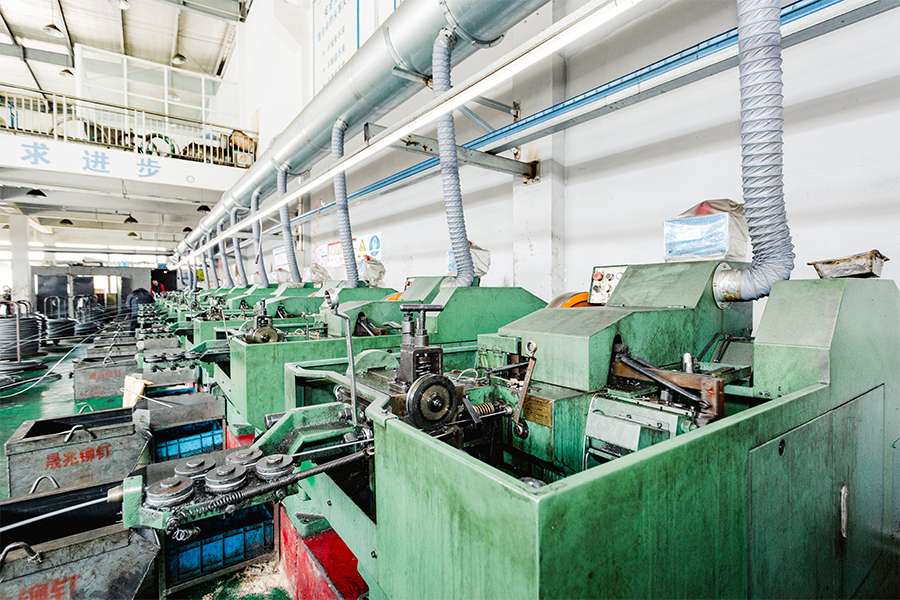
Bagaimana Kacang Non-Standar Khusus Diproduksi untuk Memenuhi Persyaratan Industri Tertentu?
Kacang non-standar khusus diproduksi melalui kombinasi desain teknik, pemilihan material, pemesinan presisi, proses pembentukan, dan kontrol kualitas yang ketat untuk memenuhi persyaratan industri tertentu. Tidak seperti mur standar yang diproduksi berdasarkan spesifikasi tetap, mur khusus dikembangkan sesuai dengan kondisi aplikasi unik, termasuk dimensi khusus, struktur ulir, beban mekanis, persyaratan lingkungan, dan batasan perakitan.
Proses manufaktur memerlukan koordinasi yang erat antara insinyur desain dan tim produksi untuk memastikan bahwa komponen pengikat akhir mencapai kekuatan, akurasi, daya tahan, dan kompatibilitas yang diperlukan. Dari pengembangan prototipe hingga produksi massal, setiap tahapan memengaruhi kinerja dan keandalan komponen akhir.
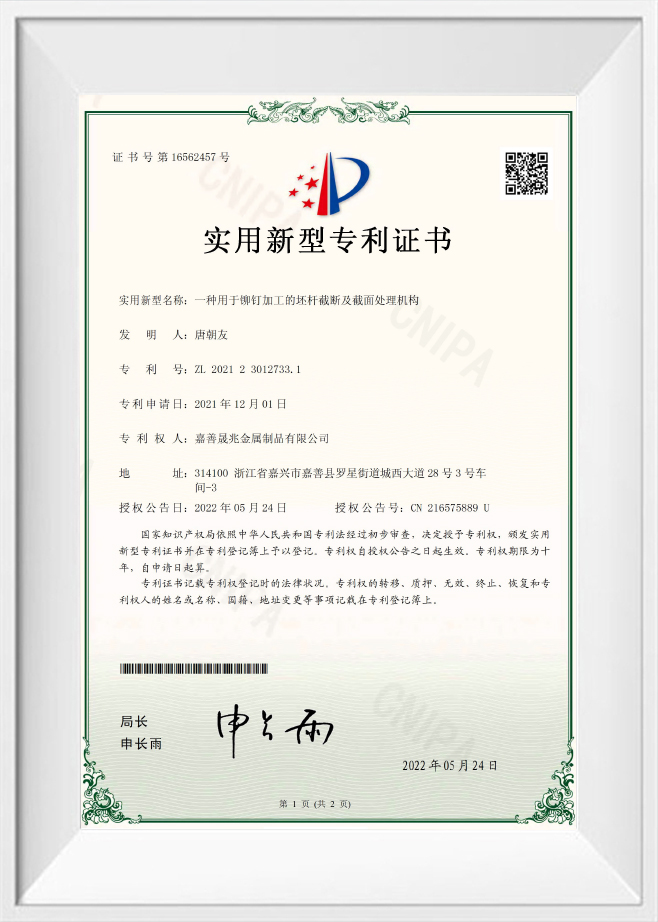
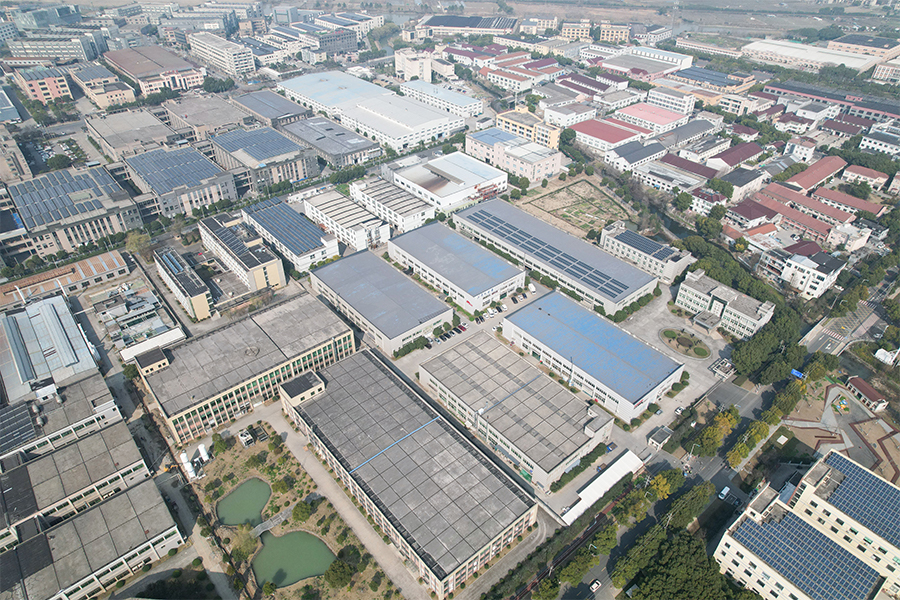
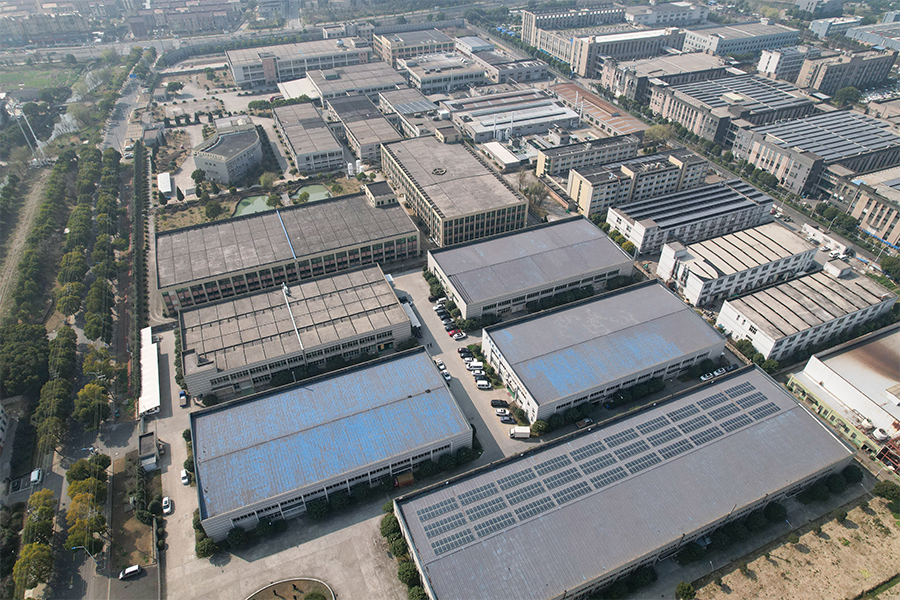
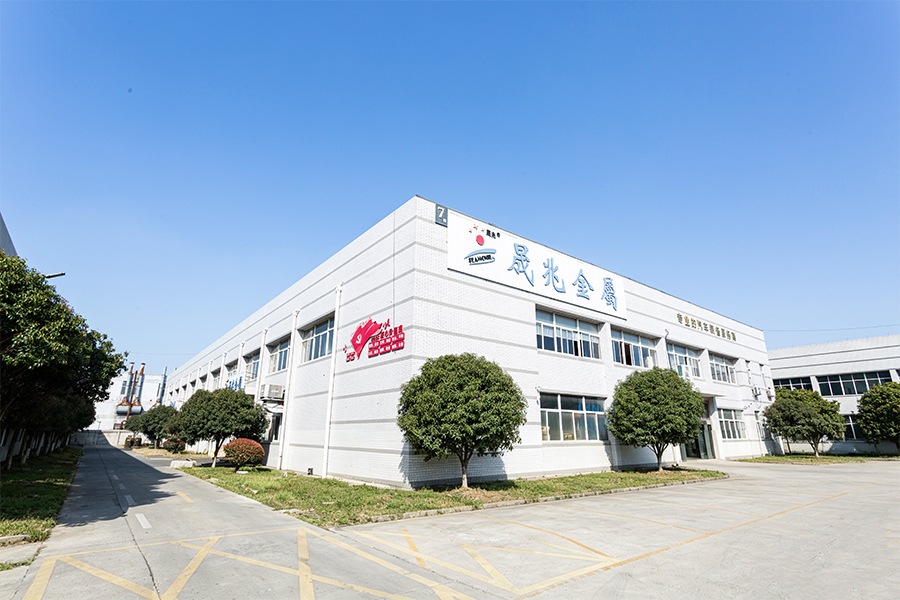
Zhejiang Chance & Union Impor dan Ekspor Co., Ltd. (Chance & Union) mengkhususkan diri dalam pengencang berkekuatan tinggi. Perusahaan ini menawarkan baut, mur, ring, dan suku cadang khusus yang terbuat dari baja tahan karat, baja paduan, dan bahan lainnya, melayani lebih dari 200 klien di 25 negara. Dengan 20 tahun pengalaman industri, Zhejiang Chance & Union Impor dan Ekspor Co., Ltd. (Chance & Union) menyediakan solusi pengikatan yang disesuaikan mulai dari R&D hingga produksi massal.
Untuk aplikasi industri yang memerlukan dimensi, bahan, atau desain struktural khusus, kacang non-standar khusus memberikan solusi pengikatan fleksibel yang dirancang berdasarkan persyaratan teknik tertentu.
Memahami Proses Pembuatan Kacang Custom Non Standar
Produksi mur non-standar khusus adalah proses sistematis yang mengubah persyaratan teknik menjadi komponen pengikat jadi. Setiap tahap produksi dikontrol dengan cermat untuk memastikan keakuratan dimensi, kinerja mekanis, dan kualitas yang konsisten.
Proses manufaktur yang khas meliputi:
- Analisis Kebutuhan: Memahami kondisi aplikasi, persyaratan beban, dan spesifikasi perakitan.
- Desain Teknik: Membuat gambar detail dan menentukan dimensi, toleransi, dan fitur struktural.
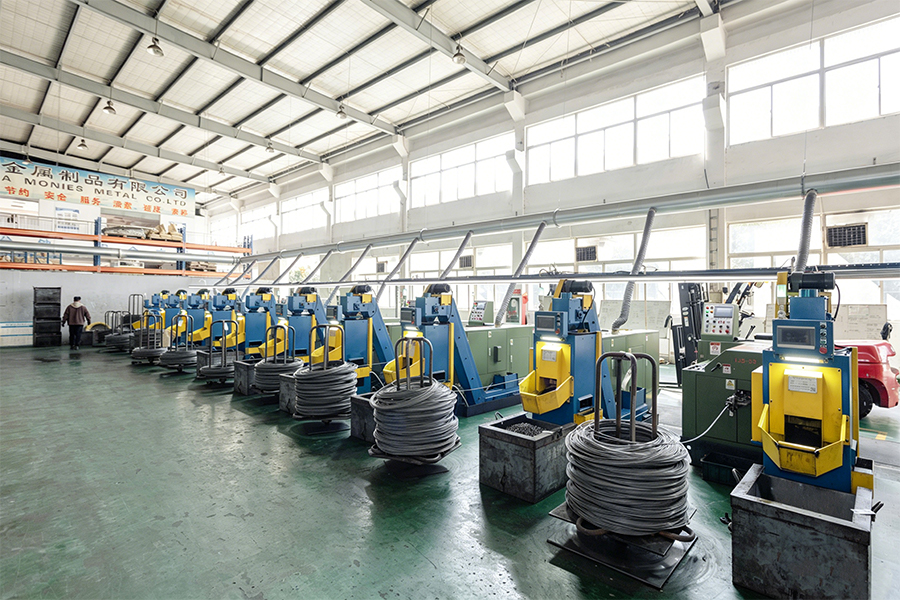
- Persiapan Bahan: Memilih dan menyiapkan bahan baku yang sesuai dengan persyaratan kinerja.
- Manufaktur Presisi: Menerapkan proses pemesinan, pembentukan, dan finishing untuk mencapai desain yang dibutuhkan.
- Pemeriksaan Kualitas: Memverifikasi dimensi, benang, sifat material, dan kinerja keseluruhan.
1. Analisis Kebutuhan Teknik dan Desain Produk
Langkah pertama dalam pembuatan mur non-standar khusus adalah menganalisis persyaratan spesifik aplikasi. Insinyur mengevaluasi lingkungan pengoperasian, struktur sambungan, beban yang diharapkan, dan kondisi pemasangan sebelum mengembangkan desain.
Pertimbangan desain yang penting meliputi:
- Ukuran benang dan persyaratan nada
- Diameter luar dan dimensi keseluruhan
- Tingkat kekuatan yang diperlukan
- Suhu pengoperasian dan kondisi lingkungan
- Persyaratan perawatan permukaan
- Volume produksi dan kelayakan produksi
| Faktor Desain | Tujuan | Pengaruh terhadap Kinerja Kacang Akhir |
| Spesifikasi Benang | Memastikan kompatibilitas koneksi yang tepat | Meningkatkan akurasi perakitan dan stabilitas pengikatan |
| Desain Dimensi | Sesuai dengan persyaratan pemasangan | Memastikan pemasangan yang tepat pada struktur tertentu |
| Pemilihan Bahan | Sesuai dengan kekuatan dan persyaratan lingkungan | Mempengaruhi daya tahan dan kapasitas beban |
| Kontrol Toleransi | Mempertahankan presisi produksi | Meningkatkan konsistensi selama perakitan |
2. Pemilihan Bahan Mur Custom Non Standar
Pemilihan material secara langsung mempengaruhi kinerja mekanis dan masa pakai mur non-standar khusus. Aplikasi industri yang berbeda memerlukan karakteristik material yang berbeda, seperti kekuatan, ketahanan korosi, ketahanan aus, atau stabilitas suhu.
Pilihan material umum termasuk baja tahan karat, baja paduan, dan baja karbon. Pemilihannya bergantung pada faktor-faktor seperti lingkungan pengoperasian, kapasitas beban yang diperlukan, dan persyaratan keandalan jangka panjang.
| Jenis Bahan | Karakteristik Utama | Persyaratan Kinerja yang Sesuai |
| Baja Tahan Karat | Ketahanan korosi yang baik dan kinerja yang stabil | Aplikasi yang membutuhkan ketahanan lingkungan |
| Baja Paduan | Kekuatan tinggi dan sifat mekanik yang sangat baik | Aplikasi pengikatan beban berat dan kekuatan tinggi |
| Baja Karbon | Kekuatan seimbang dan efisiensi pemrosesan | Aplikasi pengikat industri umum |
3. Proses Manufaktur yang Presisi
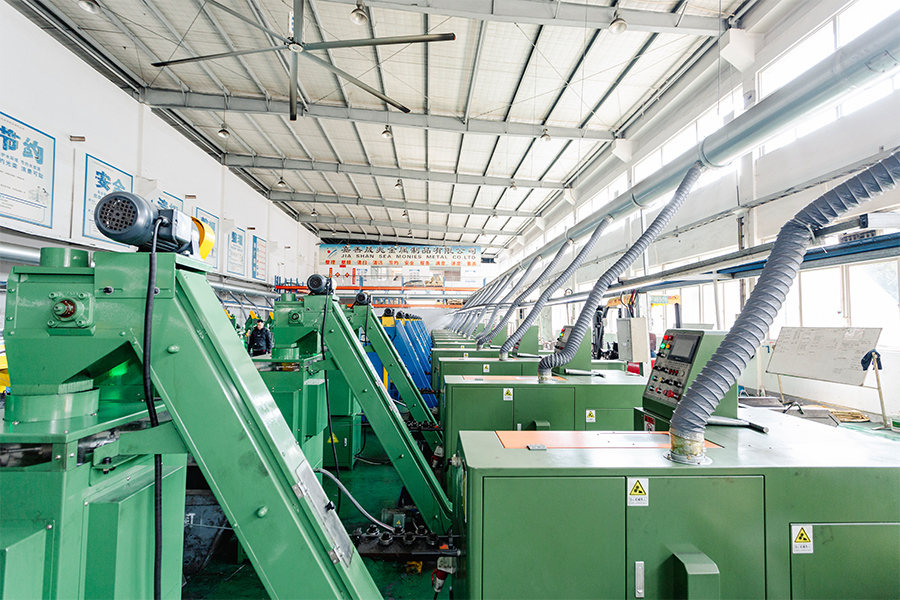
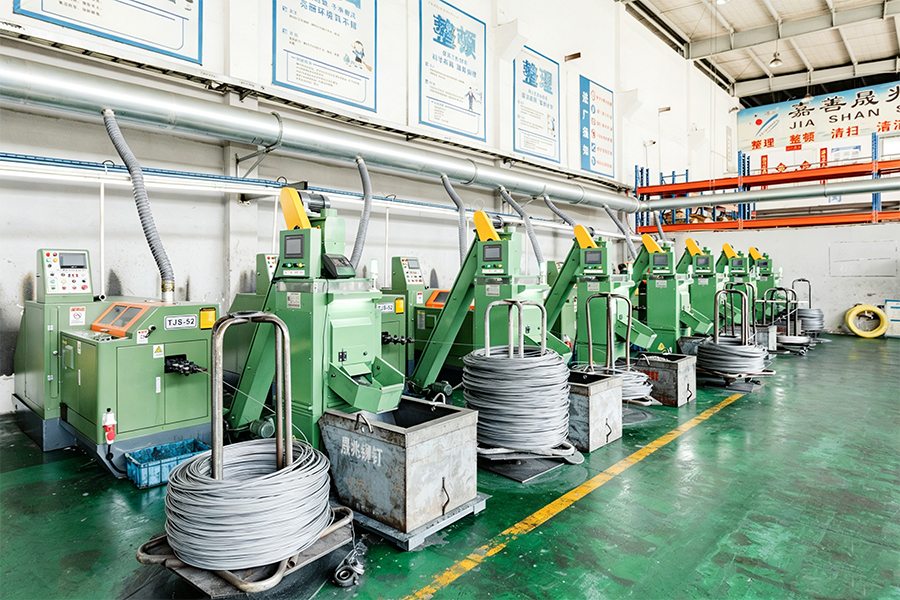
Setelah konfirmasi desain dan persiapan bahan, mur non-standar khusus memasuki tahap pembuatan. Metode produksi yang dipilih bergantung pada struktur mur, karakteristik bahan, kebutuhan dimensi, dan jumlah pesanan.
Pembentukan dan Pemesinan Dingin
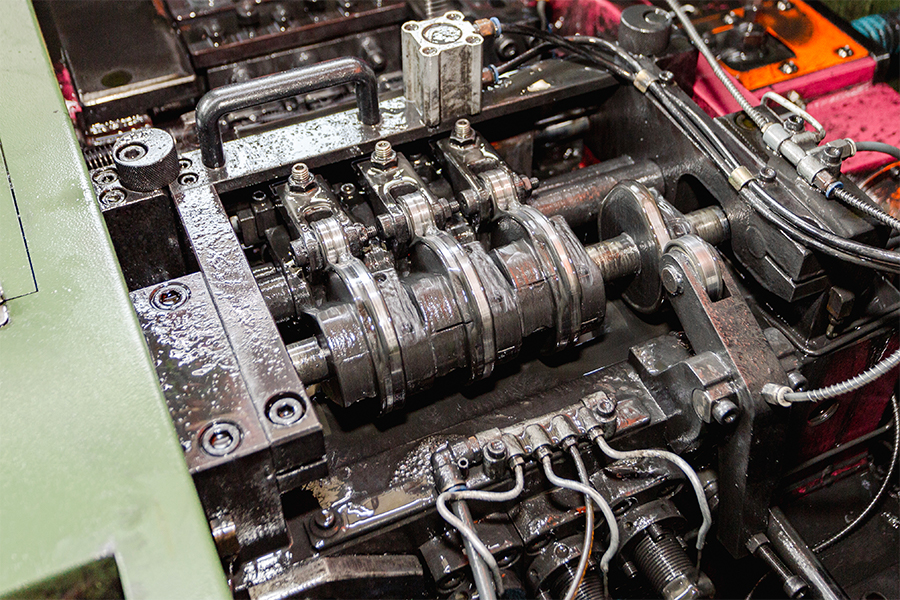
Pembentukan dingin dan pemesinan adalah dua proses penting yang digunakan untuk memproduksi struktur mur yang disesuaikan. Pembentukan dingin cocok untuk produksi yang efisien dengan dimensi yang konsisten, sedangkan pemesinan memberikan fleksibilitas untuk struktur kompleks dan desain khusus.
| Metode Pembuatan | Karakteristik Utama | Keunggulan Aplikasi |
| Pembentukan Dingin | Membentuk logam melalui deformasi yang terkendali | Cocok untuk produksi yang efisien dan dimensi yang stabil |
| Pemesinan CNC | Menciptakan geometri kompleks dengan presisi tinggi | Cocok untuk struktur khusus dan desain khusus |
| Pemrosesan Gabungan | Menggunakan beberapa metode manufaktur | Mendukung persyaratan teknik yang kompleks |
4. Pemrosesan Benang dan Kontrol Dimensi
Akurasi ulir adalah salah satu faktor terpenting yang mempengaruhi kinerja mur non-standar khusus. Selama produksi, produsen harus secara hati-hati mengontrol dimensi benang, akurasi pitch, dan tingkat toleransi.
Pemrosesan benang yang tepat membantu memastikan:
- Koneksi yang andal dengan komponen yang cocok
- Pemasangan dan pelepasan yang lancar
- Distribusi beban yang stabil
- Mengurangi risiko masalah perakitan
| Barang Inspeksi | Tujuan | Dampak Kinerja |
| Diameter Benang | Verifikasi keakuratan dimensi | Memastikan pemasangan yang tepat |
| Pitch Benang | Konfirmasikan konsistensi benang | Meningkatkan keandalan pengikatan |
| Toleransi Benang | Kontrol variasi produksi | Mempertahankan kinerja perakitan |
5. Perawatan Permukaan dan Peningkatan Kinerja
Perawatan permukaan diterapkan sesuai dengan lingkungan pengoperasian dan persyaratan kinerja. Ini membantu meningkatkan ketahanan terhadap korosi, daya tahan permukaan, dan keandalan jangka panjang.
Pertimbangan perawatan permukaan yang umum meliputi:
- Perlindungan korosi
- Peningkatan daya tahan permukaan
- Peningkatan ketahanan lingkungan
- Konsistensi penampilan ditingkatkan
| Tujuan Perawatan Permukaan | Peningkatan Kinerja |
| Ketahanan Korosi | Membantu memperpanjang masa pakai di lingkungan yang menantang |
| Perlindungan Permukaan | Meningkatkan ketahanan terhadap keausan dan paparan eksternal |
| Stabilitas Kinerja | Mendukung operasi jangka panjang yang konsisten |
6. Inspeksi Kualitas dan Verifikasi Manufaktur
Kontrol kualitas adalah bagian penting dalam pembuatan mur non-standar khusus. Karena komponen ini dirancang untuk aplikasi spesifik, prosedur inspeksi harus memverifikasi bahwa setiap batch produksi memenuhi persyaratan teknis yang ditentukan.
Pemeriksaan mutu biasanya meliputi:
- Inspeksi dimensi
- Verifikasi akurasi benang
- Pengujian materi
- Pemeriksaan kualitas permukaan
- Evaluasi kinerja mekanis
| Metode Inspeksi | Tujuan Utama | Hasil Terverifikasi |
| Inspeksi Dimensi | Periksa keakuratan ukuran | Kompatibilitas perakitan |
| Inspeksi Benang | Verifikasi kualitas benang | Keandalan koneksi |
| Pengujian Bahan | Konfirmasikan sifat material | Kekuatan dan daya tahan |
| Inspeksi Permukaan | Evaluasi kualitas penyelesaian akhir | Ketahanan lingkungan |
Perbandingan Pembuatan Mur Non-Standar Custom
| Tahap Manufaktur | Tujuan Utama | Fokus Kualitas |
| Pengembangan Desain | Ubah persyaratan menjadi spesifikasi teknis | Akurasi desain |
| Persiapan Bahan | Pilih bahan yang sesuai | Konsistensi kinerja |
| Pemrosesan Presisi | Buat struktur dan dimensi yang diperlukan | Akurasi manufaktur |
| Perawatan Permukaan | Meningkatkan ketahanan lingkungan | Daya tahan jangka panjang |
| Inspeksi Akhir | Verifikasi komponen yang sudah jadi | Kontrol kualitas yang andal |
FAQ Tentang Pembuatan Kacang Non-Standar Kustom
1. Informasi apa yang diperlukan untuk memproduksi mur non-standar khusus?
Pembuatan mur non-standar khusus biasanya memerlukan informasi teknis termasuk spesifikasi ulir, dimensi, persyaratan material, lingkungan aplikasi, kondisi beban, persyaratan perawatan permukaan, dan kuantitas produksi. Zhejiang Chance & Union Impor dan Ekspor Co., Ltd. (Chance & Union) menyediakan solusi pengikatan khusus mulai dari R&D hingga produksi massal, membantu pelanggan mengembangkan komponen pengikat yang sesuai dengan kebutuhan industri tertentu.
2. Bagaimana pemilihan bahan mempengaruhi kinerja mur non-standar khusus?
Pemilihan material menentukan karakteristik penting seperti kekuatan, ketahanan korosi, daya tahan, dan kemampuan beradaptasi terhadap lingkungan. Zhejiang Chance & Union Impor dan Ekspor Co., Ltd. (Chance & Union) mengkhususkan diri dalam pengencang berkekuatan tinggi dan menyediakan baut, mur, ring, dan suku cadang khusus yang dibuat dari baja tahan karat, baja paduan, dan bahan lainnya untuk memenuhi berbagai kebutuhan aplikasi industri.
3. Mengapa memilih Zhejiang Chance & Union untuk pembuatan kacang non-standar khusus?
Zhejiang Chance & Union Impor dan Ekspor Co., Ltd. (Chance & Union) memiliki 20 tahun pengalaman industri yang mengkhususkan diri pada pengencang berkekuatan tinggi. Perusahaan ini melayani lebih dari 200 klien di 25 negara dan menyediakan solusi pengikatan khusus yang mencakup proses lengkap mulai dari R&D hingga produksi massal, termasuk desain produk, pemilihan material, dukungan manufaktur, dan kontrol kualitas.





